
No products in the cart.
Introduction: The Engine Behind the Athlete
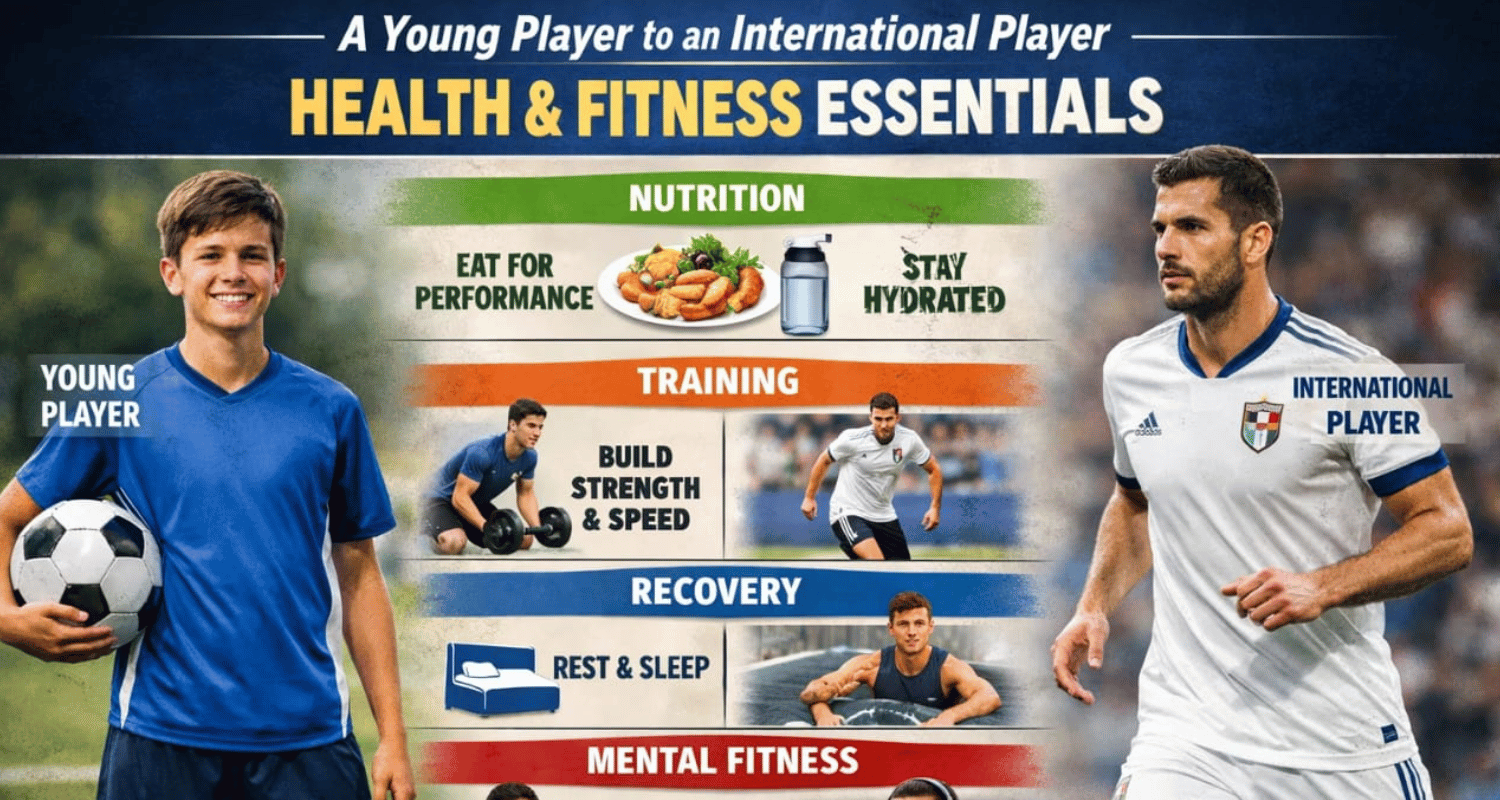
You have the skills. You have the drive. You agonize over your first touch for hours and drill free kicks until the sun sets. But if you aspire to make the jump from gifted local player to international pro, talent alone is only part of it. Your body is your most essential piece of equipment. If that body is a high-performance sports car, it’s going to require premium fuel, too.
One thing young athletes in America often don’t consider is nutrition. They believe that after-practice burgers or missed breakfast won’t matter. But at the high end of the elite, the differences are smaller than ever. What you eat dictates how fast you can sprint in the 90th minute, how quickly your muscles recover after an arduous match, and, potentially, how sharp your decision-making remains in fatigue.
This article offers a closer look at some of the health and fitness basics that differentiate amateur players from pros, with an emphasis on a healthy diet for soccer players. From pre-match fueling to recovery snacks, we’ve got the scoop on how to eat like a champion.
The Foundation of a Healthy Diet for Soccer Players
Soccer is a demanding sport. You need drive, speed, agility, and power.” On average, players run about 7 to 9.5 miles per game, including frequent high-intensity sprints. And that’s where your diet comes into play, strategically.
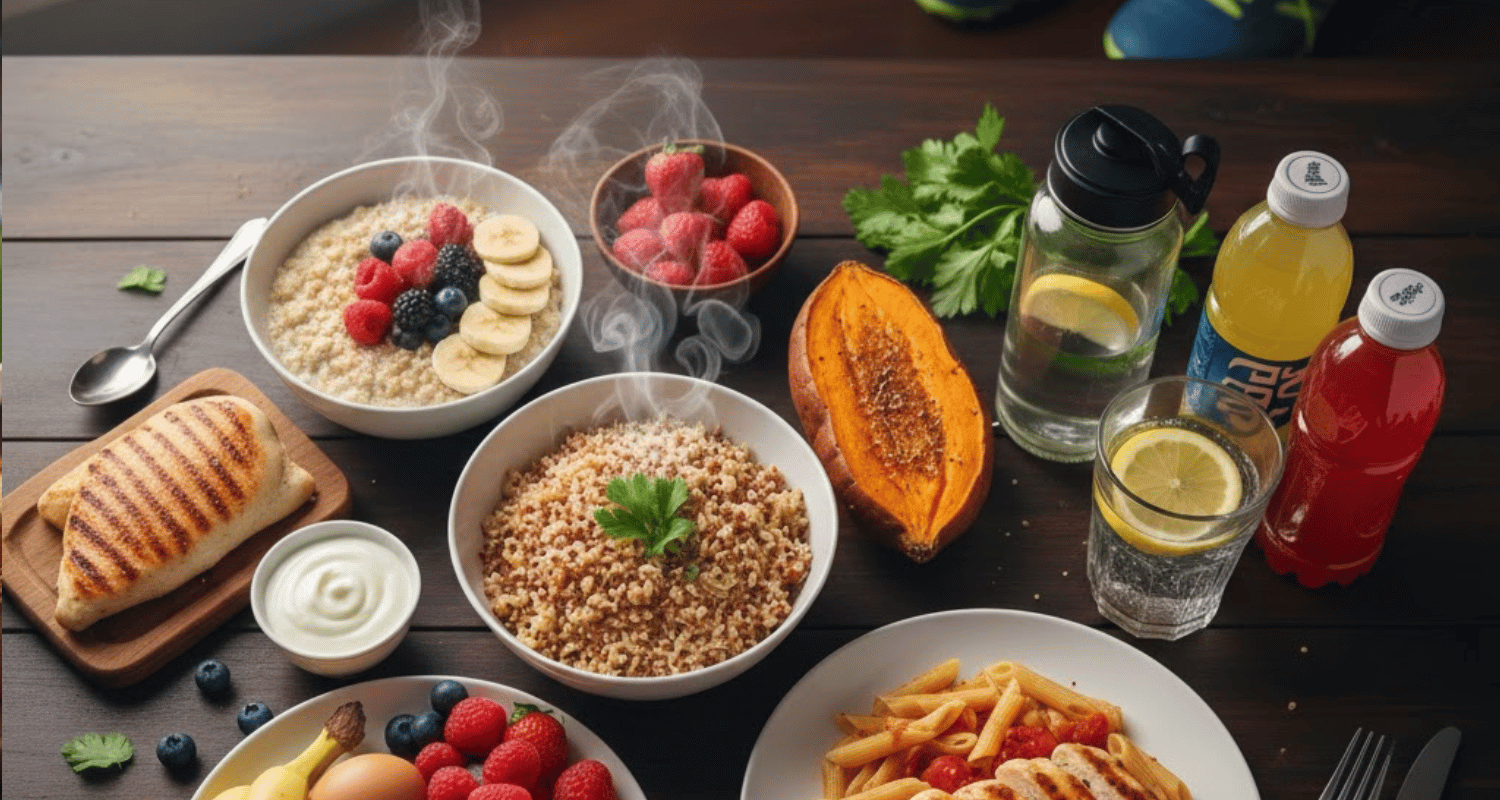
A healthy diet for soccer players is based on three main pillars: Carbohydrates for energy, protein for recovery, and healthy fats for fuel and brain health. If any one of them is overlooked, you risk fatigue, injury, and subpar performance.
Carbohydrates are King
Carbs are highly maligned in some diet trends, but for soccer players, they’re a nonnegotiable. They are the stuff of high-performance exercise. Carbs are stored in your muscles as glycogen, which you use for energy. On match day, you deplete these reserves quickly.
Focus on complex carbohydrates that provide sustained energy:
- Oats and whole-grain cereals
- Brown rice and quinoa
- Sweet potatoes
- Whole wheat pasta
- Fruits like bananas and berries
Protein for Muscle Repair
Soccer is a contact sport that causes microscopic tears in your muscle fibers. The protein that helps repair these tears is what makes your muscles stronger. If you don’t get enough protein, your muscles are at risk for breakdown, and your recovery times may be slow.
Hydration: The Silent Game Changer
Dehydration is a performance killer. Even a 2 percent decrease in body water can negatively affect your concentration and physical performance. Try to drink water all day, not just during practice. Your urine should be light yellow; if it’s dark, you need to drink more.
Designing Healthy Meals for Soccer Players
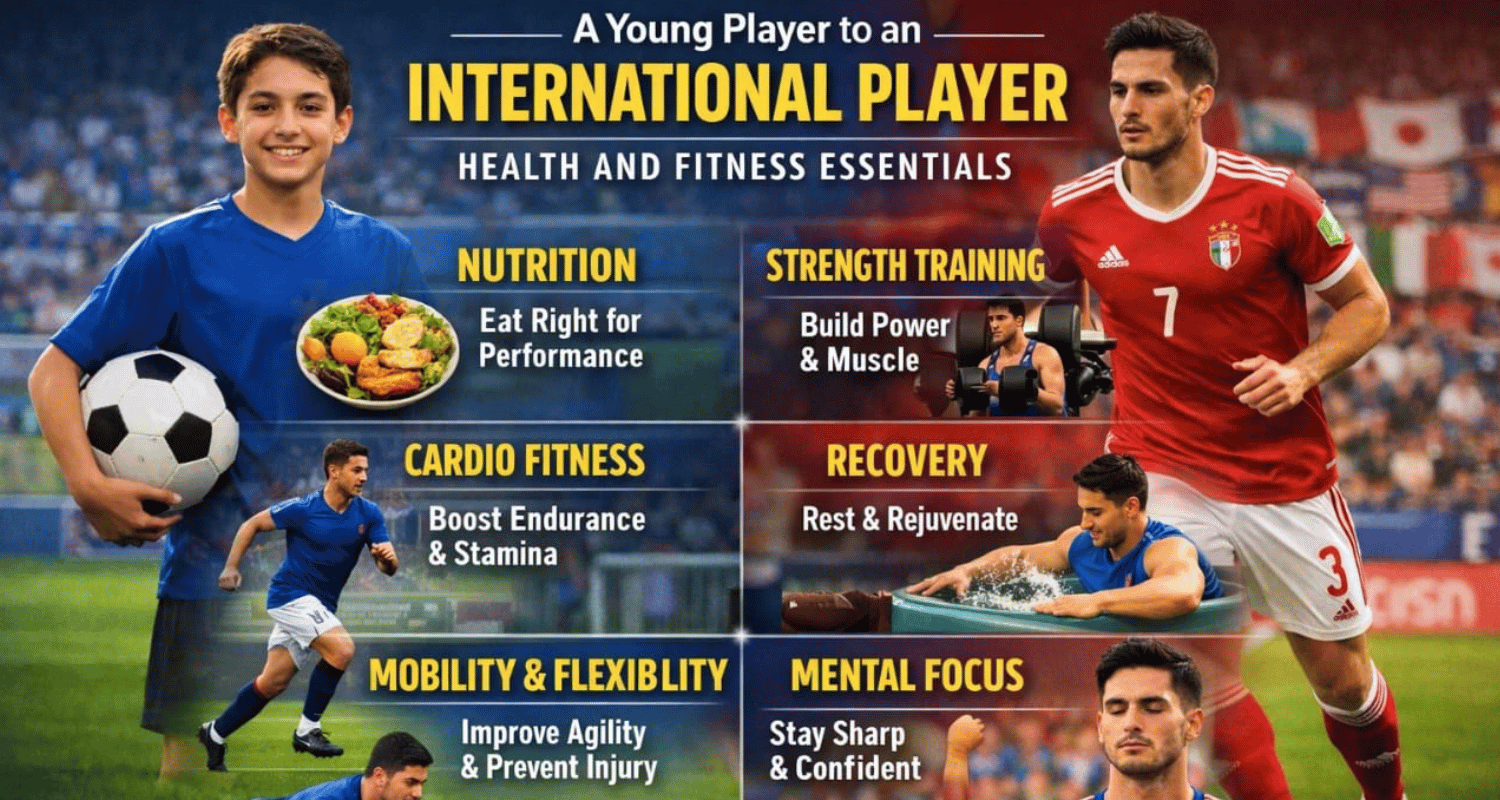
It’s one thing to know what you should eat; another entirely to present it on a plate. Soccer players need to eat well-balanced, colorful, and properly timed meals. You don’t want to eat a heavy steak an hour before kickoff, nor do you want to eat only a salad after playing 90 minutes of soccer.
Here’s how you can plan your meals to set yourself up for success.
Breakfast: Kickstart Your Metabolism
You haven’t eaten all night while you’ve been sleeping. Your glycogen stores are low. A great breakfast fuels you for the day ahead.
Option 1:
Oatmeal with milk or almond milk and sliced bananas, walnuts (add a touch of honey on top).
Option 2:
Whole-grain toast with scrambled eggs, spinach, and tomatoes.
Option 3:
Parfait-style Greek yogurt with granola and mixed berries.
Lunch: Refuel and Sustain
Lunch should serve as a connection between your morning workout and afternoon training. It should be hearty but not so dense that it weighs you down.
Option 1:
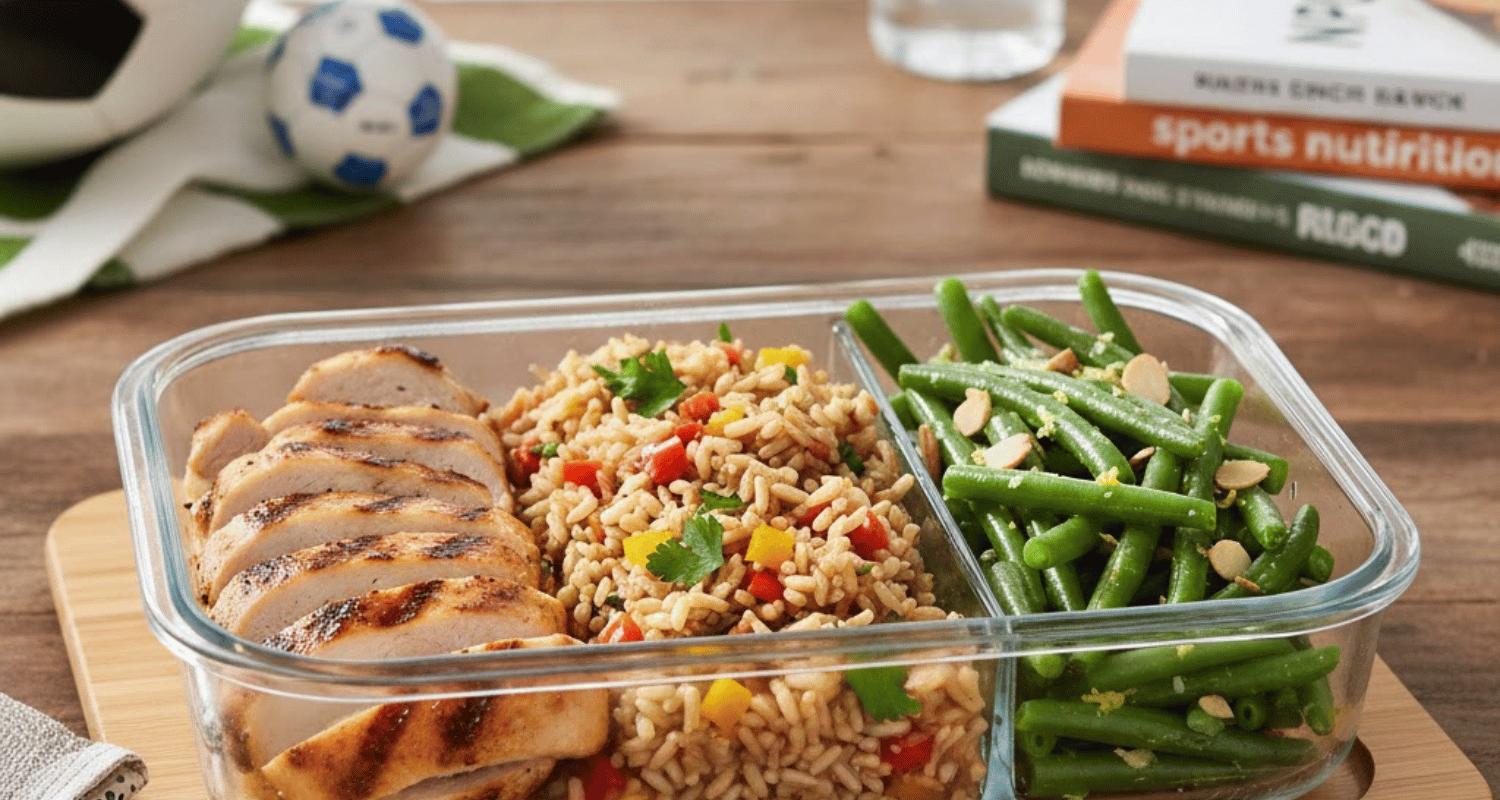
Grilled chicken breast, quinoa, and steamed broccoli.
Option 2:
A wrap with turkey breast and avocado, green leaves, and tomato on a whole-grain tortilla.
Option 3:
Tuna salad made with olive oil (rather than heavy mayo), accompanied by whole-grain crackers and an apple.
Dinner: Repair and Recover
After a day of hard training, these are protein-rich meals designed to support muscle repair and replenish nutrients expended.
Option 1:
Baked salmon, roasted sweet potatoes , and asparagus.
Choice 2:
Stir-fried slices of lean beef with mixed bell peppers, snap peas, and brown rice.
Option 3:
Vegetarian chili featuring kidney beans, black beans, and corn, served with cornbread.
Soccer players, not Play-Doh, are fueled by food! Choose foods that cater to a soccer player’s diet, and your energy is sure to last long past the final whistle. When you eat right for soccer players, it prevents the crash-and-burn pattern of sugary or processed fuel.
The Best Healthy Food for Soccer Players
Walking into the grocery store, there’s so much that can overwhelm you. The aisles are lined with crap processed and foisted upon us as “sports food.” To be an elite athlete, you must make whole, unprocessed choices. The healthiest food for soccer players comes from nature, not a factory.
Superfoods for the Pitch
There are some foods that deliver a heavier nutritional punch than others. Adding them to your weekly rotation could make you better.
Beetroot:
According to research, the dietary nitrates in beetroot may increase endurance and oxygen consumption.
Berries:
Blueberries and strawberries are packed with antioxidants that can help to minimize inflammation associated with intense training.
Fatty Fish:
Omega-3 fatty acids found in salmon and mackerel play a key role in joint health and in reducing muscle soreness.
Leafy Greens: Spinach and kale are also chock-full of vitamins and minerals, including magnesium, which can help ward off muscle cramps.
Eggs:
One of the most protein-dense whole foods, and it contains all nine essential amino acids.
Picking the best healthy food for soccer players isn’t about deprivation; it’s about putting premium fuel into your body so that it can perform like a premium race car.
Snacking Like a Pro: Healthy Snacks for Football Players
We all know the feeling: 3:00 PM, practice is at 4:30 PM, and you’re so hungry. The last thing you want to do is reach for a bag of chips or a candy bar. That’s because these foods give you a sugar high, and then send you crashing when the last thing you need is to have to deal with it. You need healthy snacks for football players (soccer players) that provide sustained energy.
Pre-Training Snacks (1-2 hours before)
The goal here is easy-to-digest carbs for quick energy. Keep fat and fiber low to avoid stomach issues.
- A banana
- A slice of toast with a thin layer of jam
- Rice cakes
- A small handful of dried fruit (raisins or apricots)
Post-Training Snacks (Within 30 minutes after)
This is the “anabolic window.” Your body is screaming for nutrients to start repairs. You need a mix of protein and carbs.
- Chocolate milk (a classic recovery drink for a reason!)
- Protein shake with a banana
- Greek yogurt with a little honey
- Apple slices with peanut butter
Travel Snacks
Tournaments usually involve long drives in the car or flights. You can’t always count on gas station food. Provide football players with healthy snacks like trail mix (nuts and dried fruit), beef jerky (low sodium), or homemade energy balls made from oats and nut butter.
Specific Healthy Foods for Soccer Players: What to Avoid
As we focus on what to eat, we need to consider what not to eat. An international player treats their body like a temple, not a garbage can. Some foods cause inflammation, slow down digestion, and drain your energy.
The “Red Card” Foods
Sugary Sodas and Energy Drinks:
They’re “empty calories” and can lead to energy crashes. Go for water or an electrolyte drink.
Deep-Fried Foods:
Fried chicken and French fries contain unhealthy trans fats that are difficult to digest and may make you feel heavy on the field.
High-Sugar Cereals:
Kicking off your morning with a bowl of sugar is the first step down the wrong path!
Too Much Processed Meat:
Hot dogs and fatty sausages are often high in sodium and nitrates, which aren’t ideal for optimal overall performance.
And, remember:
You don’t have to be perfect 100 percent of the time. But the 80/20 rule holds: Eat well for soccer players 80% of the time and allow yourself a little treat 20% of the time. And that balance is what keeps you sane while staying fit.
Fitness Essentials Beyond Diet
Nutrition is huge, but it goes hand in hand with physical training. You can’t eat your way to fitness if you aren’t doing the work on the field and in the gym.
Strength Training
Modern soccer requires strength. You’ve got to keep defenders off you and win aerial duels. Focus on complex exercises such as squats, lunges, and deadlifts. Balance and agility also rely on a strong core.
Aerobic vs. Anaerobic
Soccer is a mix of both. You need aerobic capacity to last 90 minutes (jogging, moving into position) and anaerobic power for those explosive sprints to the ball. So should your training. Include intermittent exercise (HIIT) to simulate match play.
Rest and Sleep
This is the most dormant factor in fitness. Cristiano Ronaldo and LeBron James are among those known for taking their sleep seriously. Aim for 8-10 hours a night. This is when your growth hormone is released, and you start growing muscles. If you’re eating great for soccer but only sleeping 5 hours, then congrats you’re grossly underachieving.
Conclusion: Your Journey Starts Now
It’s a long road to becoming an international player. It takes sacrifice, discipline, and doing what others won’t. While all your friends are eating fast food, you’re prepping healthy meals in bins for soccer players. They play video games late you get your full 9 hours of sleep.
These tiny choices do add up. Healthy eating results in a healthy body, and the body is what holds your talent. Start today. Swap the soda for water. Swap the chips for fruit. Treat your body as if you were a professional athlete.

What Happens If You Get Enough Exercise?
Can Walking Be Enough Exercise?
The Fitness BenefitsThe Benefits of Regular Exercise for Overall Health
This article is brought to you by Ezoon.co. Know more about tech facts, trends, and digital growth. Keep informed and grow with us.
Tags: A Young Player to an International Player, Health and Fitness Essentials, International Player, Young Player


Related posts

Find out how the PhysioFlex knee massager relieves pain, arthritis and stiffness. Find out more about what it does, the benefits, and how it can help... Continue reading

Fed up with cookie-cutter training plans and diet recommendations? It’s a common frustration. You start a new health plan only to find it does not really suit... Continue reading
Discover the top 10 fitness apps of 2026 to crush your goals. From targeted fitness plans to lifelong habits, find the perfect app for you. Continue reading

For many college students, the image of late-night study sessions is incomplete without a side of fries and a burger. Fast, cheap, and convenient, fast... Continue reading

Discover the benefits of the Planet Fitness Total Body Enhancement machine. Learn how red light therapy and vibration can boost your fitness routine toda Continue reading
Add comment