
No products in the cart.
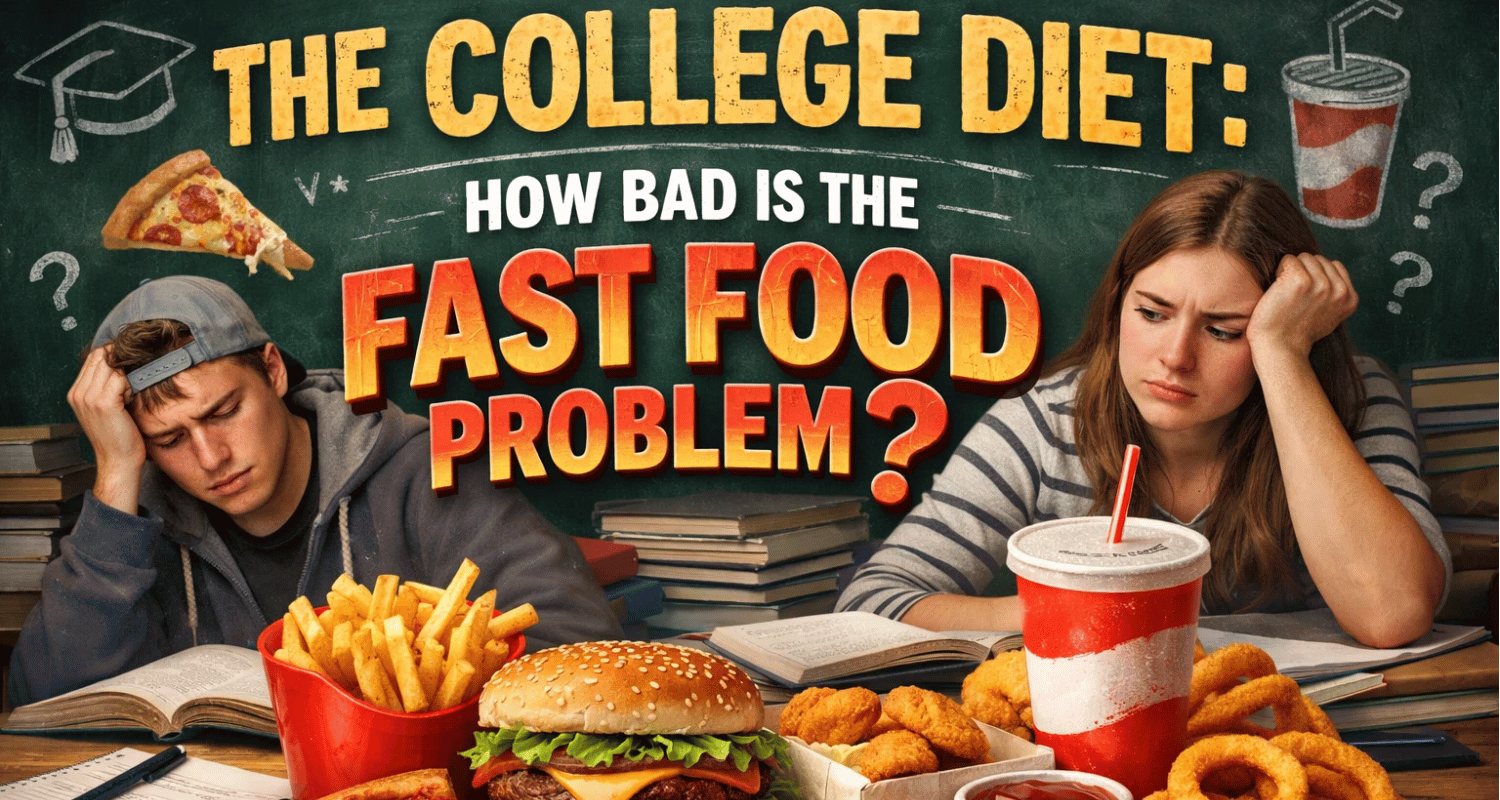
For many college students, the image of late-night study sessions is incomplete without a side of fries and a burger. Fast, cheap, and convenient, fast food seems like the perfect solution for a busy student on a tight budget. But behind the convenience lies a growing concern: college students and fast food. How bad is the problem? The reliance on these quick meals is creating a significant health and wellness crisis on campuses across America. This isn’t just about gaining the “freshman fifteen”; it’s a deeper issue with long-term consequences.
This article will explore the multifaceted problem of fast food for the student population. We will examine the specific health risks, the psychological and academic impacts, and the broader societal issues at play. Understanding the depth of America’s problem with fast food is the first step toward finding viable solutions.
What Health Problems Does Fast Food Lead To?
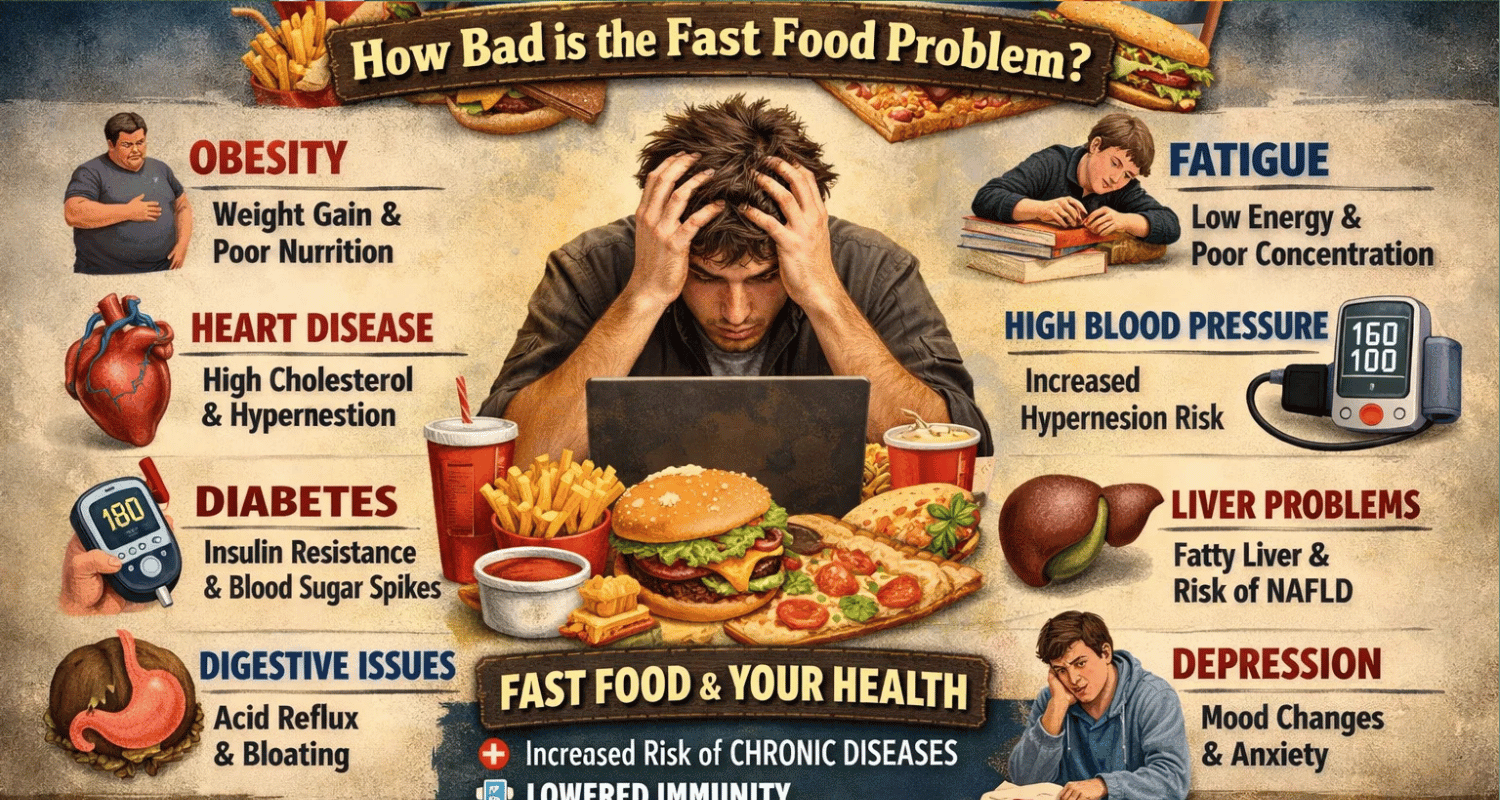
The most immediate and well-documented issue with a diet high in fast food is its impact on physical health. These meals are typically high in calories, unhealthy fats, sodium, and sugar, while lacking essential nutrients like fiber, vitamins, and minerals. This imbalance creates a perfect storm for a host of health issues.
Weight Gain and Obesity
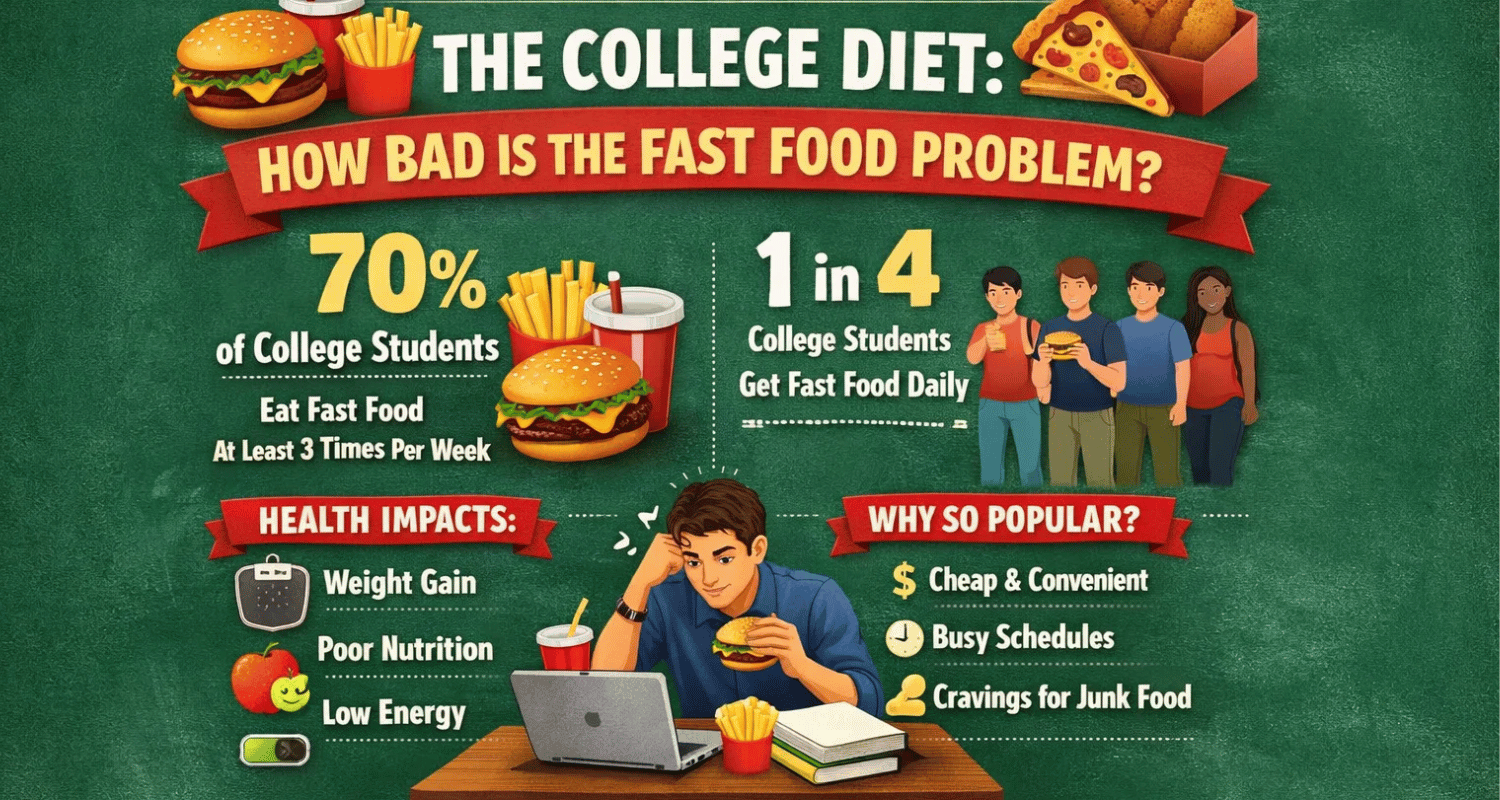
The link between fast food consumption and weight gain is undeniable. A single fast-food meal can often contain more than half of the recommended daily caloric intake. For students juggling classes, work, and a social life, physical activity might take a backseat, making it difficult to burn off these excess calories. This consistent caloric surplus is a primary driver of obesity, which in turn increases the risk for many other chronic diseases. The fast food and health problems statistics paint a clear picture of this growing public health challenge.
Heart Problems and Digestive Issues
Does fast food cause heart problems? Absolutely. The high levels of saturated and trans fats found in many fried and processed items contribute to elevated levels of bad cholesterol (LDL). This can lead to the buildup of plaque in the arteries, a condition known as atherosclerosis, which significantly increases the risk of heart attacks and strokes later in life.
Furthermore, can fast food cause long-term digestive problems? The answer is yes. A diet lacking in fiber can lead to constipation and other digestive problems caused by fast food. The high-fat content can also trigger conditions like acid reflux. For some, eating fast food every day can cause stomach problems, discomfort, and bloating, making it difficult to concentrate in class.
The Impact on Skin and Sleep
The consequences of a poor diet are often visible on the surface. There is a strong connection between fast food and skin problems. Diets high in refined carbohydrates and unhealthy fats can trigger inflammation and hormonal fluctuations, leading to acne breakouts and dull skin.
Beyond appearance, what you eat affects how you sleep. Can fast food contribute to sleep problems at night? Heavy, greasy meals eaten late at night can disrupt natural sleep cycles, causing indigestion and restlessness. Poor sleep quality directly impacts academic performance, memory, and mood, creating a vicious cycle of poor diet and exhaustion.
Beyond the Body: Mental and Academic Consequences
The problems caused by fast food extend far beyond physical health. The nutritional quality of what students eat has a direct effect on their cognitive function and mental well-being.
Brain Fog and Poor Academic Performance
The human brain requires a steady supply of nutrients to function optimally. Diets rich in processed foods can lead to “brain fog,” characterized by a lack of focus, poor memory, and mental fatigue. Students who rely on fast food may find it harder to concentrate during lectures, retain information while studying, and perform well on exams. This creates a significant fast-food problem that directly undermines the primary goal of being in college: to learn.
Mood, Stress, and Mental Health
There’s a growing body of research connecting diet to mental health. Diets lacking in essential nutrients like omega-3 fatty acids, vitamins, and minerals can exacerbate symptoms of depression and anxiety. For a population already under immense academic and social pressure, a poor diet can remove a critical tool for managing stress. Some studies have even explored connections between diet and mental health, making the concern over fast food advertising statistics 2017 mental problems more relevant than ever.
The Broader Context: The Fast Food Industry Problem
To fully grasp the issue, we must look at the systemic factors at play. The challenge isn’t just about individual choices; it involves the practices of a massive industry and the environment it creates. The problems with the fast food industry are complex and contribute significantly to why students make the choices they do.
Aggressive Marketing and Accessibility
The discussion around the problems in the fast food industry also includes its environmental footprint. From single-use packaging to the resource-intensive production of meat, there are significant environmental problems caused by fast food. The sheer scale of the industry means that these fast food and ecological problems have a global impact, a concern for a generation of students who are increasingly environmentally conscious.
Fast-food chains are masters of marketing. They are often located strategically near college campuses, offering deals and promotions specifically targeting students. This constant exposure, combined with the sheer convenience, makes it an easy choice over healthier, less accessible options. This is a core part of all the problems of fast food it’s designed to be the path of least resistance.
Economic Pressures
For many students, the choice is economic. When a dollar menu burger is cheaper than a salad, the decision is made for them. This economic reality highlights one of the most common problems faced by fast food restaurants’ competitors: it’s hard to compete on price. While some may see these as dead-end jobs, problems staffing fast food, the low operational costs allow for prices that are hard for healthier alternatives to match.
Finding Solutions to Fast Food Problems
Addressing the issue of college students and fast food requires a multi-pronged approach that empowers students and encourages systemic change. Simple abstinence is not a realistic answer; we need practical solutions to fast food problems.
For Students: Building Healthier Habits
Plan Ahead:
Meal prepping, even on a small scale, can save time and money. Cooking simple meals like pasta, rice, and beans, or large salads, can provide several days’ worth of healthier options.
Smart Choices:
When fast food is the only option, make smarter choices. Opt for grilled instead of fried, choose water over soda, and add a side salad instead of fries.
Learn Basic Cooking Skills:
Knowing how to cook a few simple, nutritious meals is a life skill that pays dividends. Many universities offer cooking classes or workshops.
Use Campus Resources:
Many colleges have dietitians and nutritionists on staff who can provide free guidance and support.
For Universities and Communities
Improve Campus Dining:
Universities can play a huge role by offering more healthy, affordable, and appealing food options in dining halls and on-campus cafes.
Nutritional Education:
Integrating practical nutrition education into orientation or wellness programs can equip students with the knowledge to make better choices. As books like Fast Food Nation highlighted, understanding the system is a powerful motivator for change.
Support Farmers’ Markets:
Bringing farmers’ markets to campus provides students with access to fresh, local produce.
The conversation about college students and fast food is a critical one for the future health of a generation. The convenience of a quick meal comes at a high price, impacting physical health, academic performance, and mental well-being. By understanding the full scope of the problem from personal health risks like digestive problems caused by fast food to broader environmental issues fast food creates we can begin to work toward meaningful solutions. It’s time to rewrite the college diet script and invest in a healthier future for students across the nation.
Start Your Heart Healthy Journey
Getting serious about heart health is one of the best things you can do for yourself. These foods and habits can boost your energy and improve how your heart works. Even small changes, done consistently, make a difference.
Begin by setting realistic goals and gradually adding heart-healthy choices into your daily life. Prioritize your heart with these Explore Top Heart Healthy Foods for Better Circulation
Start making smarter choices today and give your heart the care it deserves.
This article is brought to you by Ezoon.co. Know more about tech facts, trends, and digital growth. Keep informed and grow with us.


Related posts

Find out how the PhysioFlex knee massager relieves pain, arthritis and stiffness. Find out more about what it does, the benefits, and how it can help... Continue reading

Fed up with cookie-cutter training plans and diet recommendations? It’s a common frustration. You start a new health plan only to find it does not really suit... Continue reading

Discover the top 10 fitness apps of 2026 to crush your goals. From targeted fitness plans to lifelong habits, find the perfect app for you. Continue reading

Discover the benefits of the Planet Fitness Total Body Enhancement machine. Learn how red light therapy and vibration can boost your fitness routine toda Continue reading

If you’ve been to a commercial gym, you’ve seen the towering machine resembling a never-ending escalator. Intimidating yet effective, the stair climbing machine is a... Continue reading
Add comment