
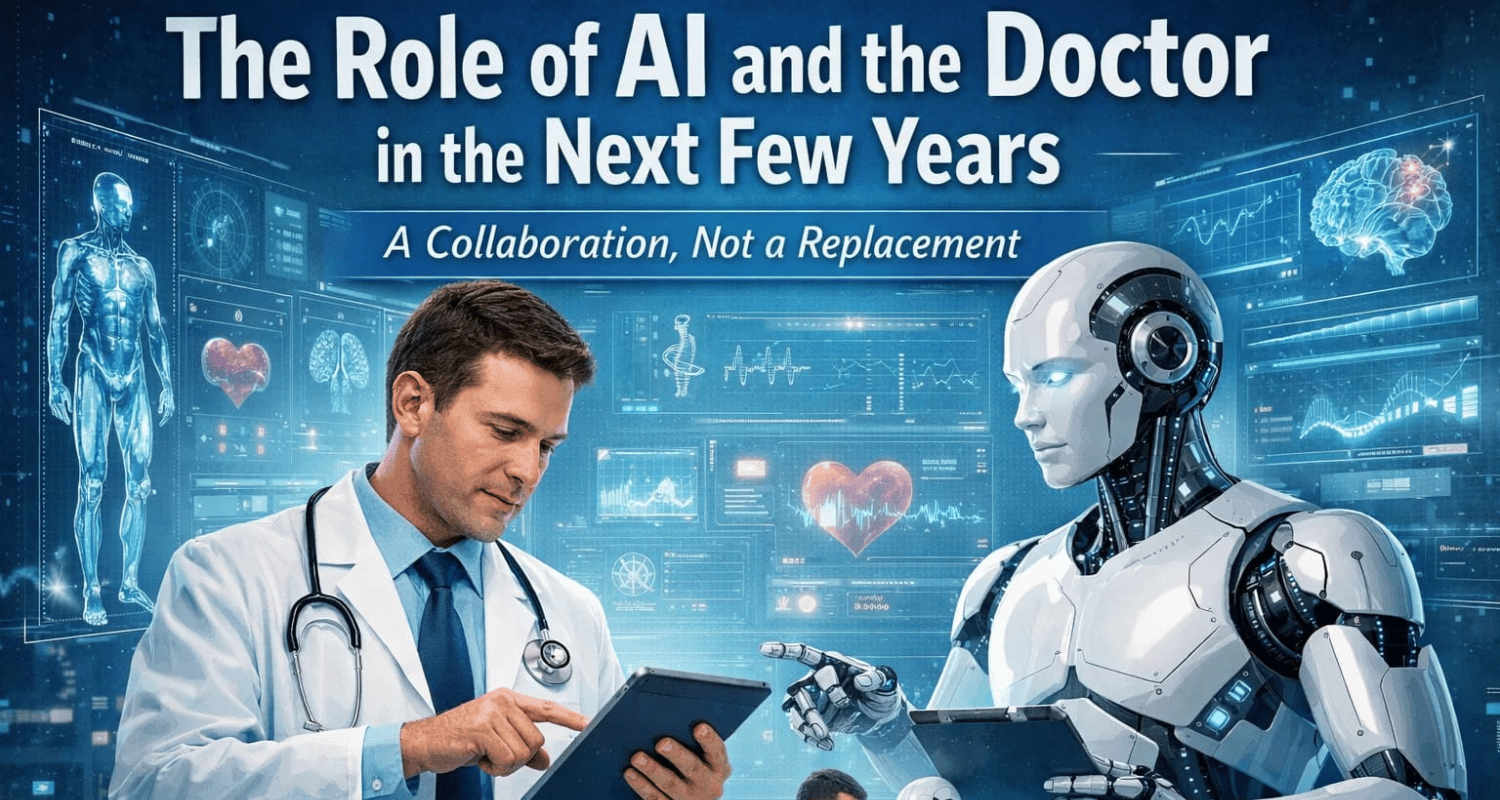
The Role of AI and Doctors
Imagine what you’ll be experiencing five years from now when you walk into your doctor’s office. The waiting room is not crowded, the paper work was completed by an app before you left your house and your doctor is not looking at a computer screen while you speak. Instead, they’re making eye contact with you and listening, as an intelligent system quietly captures notes, proposes potential diagnoses based on your vitals and compares information from your history to millions of similar cases.
This isn’t science fiction. It’s the emerging face of medicine. The talk about AI in healthcare frequently veers to fear will robots be taking over the jobs of doctors? The short answer is no. The future isn’t AI versus doctors, it’s AI supercharging doctors.
Let’s take a deep dive into how this will transform everything from health care accounting to clinical diagnostics, and make the system not just easier and more accurate but believe it or not more human.
The Evolution of Clinical Medicine and Diagnostics
The most provocative frontier is certainly AI in clinical medicine. Doctors have always depended on what they were taught and learned, but human memory has limitations. AI does not.
Supercharged Diagnostics
And we’re already seeing AI-based tools for early disease detection hit the headlines. Algorithms can read X-rays and M.R.I.s with a precision that meets or, in some cases, exceeds that of human radiologists. But the true alchemy occurs when an artificial intelligence enhances diagnostic precision in radiology by flagging anomalies a weary human eye might miss during a long shift.
Mediwhale AI diagnostics are a great example of innovation. With a scan of the retina, such instruments can forecast cardiovascular risks, converting a routine eye exam into something out of science fiction and potentially saving lives in the process. Likewise, Roche AI data-driven healthcare programs are exploring new frontiers of our knowledge on the molecular mechanisms behind disease progression.
For the patient, that could mean faster answers. Say you are walking in for a Medway Community Healthcare blood test, well then AI systems could also assess those results against your whole personal genetic history, finding patterns which a basic review might not notice.
Personalized Treatment Plans
The µone-size-fits-allµ or the take two of these and call me in the morning! approach to medicine is dying. We are heading away from personalized treatment plans based on opinion and towards AI applications. AI platforms being harnessed for personalized courses of treatment can consume your wearable data, electronic health records (EHR) and present clinical trials to recommend a course that is just right for your biology.
Start-ups are even experimenting with A.I. in mental health. AI powered therapy insights for mental health providers can monitor language patterns to recognize early signs of depression or anxiety relapse, and notify the provider before a crisis point is reached.
The Administrative Overhaul: freeing the Physician
One of the top grievances among doctors today is paperwork-induced burnout. This is where AI-enabled healthcare automation platforms come in to play.
Crushing the Paperwork
How artificial intelligence streamlines mundane tasks at healthcare offices is a game changer. Picture an AI health care consultant that resides on the hospital server, overseeing health care accounting, billing and coding. Medical billing and coding AI software eliminates errors that are known to result in claim denials, which get hospitals and patients paid correctly.
Opus health care technology AI, in addition to like platforms are not helping this where administers can rather focus their time discussing business strategy than on data entry. For those looking to break into the industry though, healthcare administration certificate or healthcare administration internships increasingly expect candidates to have a handle on these digital tools. healthcare vs health care (Is it one word or two?) matters less than the rise of the industry as a tech-first sector.
Managed IT and Security
It’s a hot summer, and we love us some data. Healthcare managed IT services are on the rise, with an emphasis in AI in healthcare compliance. Hospitals are juicy targets for hackers. AI-powered healthcare facility security and healthcare security AI software have the ability to monitor network traffic for erratic behavior, serving as a digital immune system.
In addition, AI for healthcare emergency preparedness can help hospitals be ready to predict patient surges during flu season or pandemics so they have the right staff and supplies in place.
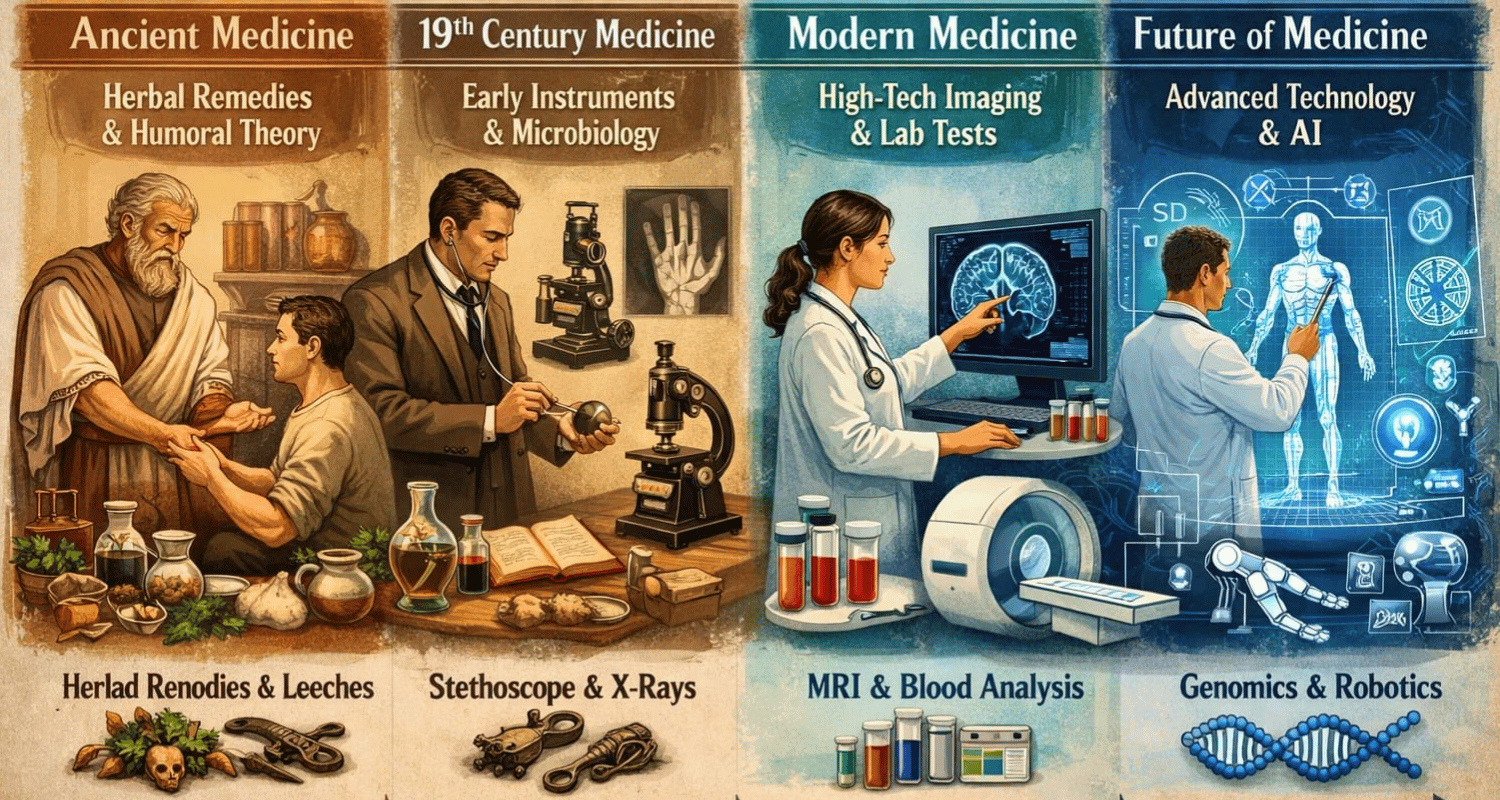
Patient Experience: From Portals to Wearables
Fragments of the patient journey. You may see Family Healthcare of Hagerstown for a checkup but require a specialist at St. Elizabeth Healthcare Edgewood. It’s joining these dots together that AI shines.
Seamless Connectivity
We’ve all fought with a clunky patient portal. Systems like the Beebe Healthcare patient portal are moving toward becoming intelligent health hubs. There is a rise of AI chatbots for patient engagement, and scheduling appointments which are the first point of contact. AI services to book you in with the doctor and just not wait for half an hour On Hold And much, much cheaper!
The Rise of Remote Monitoring
For chronic conditions, treatment doesn’t end when you leave the clinic. Virtual nursing assistants driven by A.I. and remote patient monitoring using A.I.-powered platforms allow doctors to track patients from afar. If you’re livering with diabetes or heart disease, AI-enabled wearable health monitors can notify your doctor if your vitals slip out of a safe range.
Companies like Rhythm Healthcare and Loyal Healthcare are part of this ecosystem and provide products that help keep patients connected with their care teams. Even a small community hub such as Woodcreek Healthcare Pediatrics or Cedars Healthcare Center Lakewood is now starting to adopt AI-heavy top tools for healthcare patient records management and offering big-city efficiency on a local level.
The Business of Health: Trends and Funding
In medicine, money talks and currently that talk is AI. Venture capitalists are pouring billions into health care tech. Today’s healthcare private equity news is rife with acquisition and merger stories involving digital health.
Where the Money Goes
We read about for example recently how a healthcare AI startup ran away with $100 million and more traditional players such as Akasa healthcare AI funding rounds are proving that automation is worthwhile! Insight Health healthcare AI and the Palantir R1 healthcare AI lab are other such major players doubling down on data.
Ironically, this commercialisation has also produced styles for the general public. We are already witnessing things such as Healthcare Black Friday on the rise. Sites like Healthcare. com Black Friday or a Medical. com Black Friday sale underscore how insurance and health products are turning into retail products. Insurance and AI-driven mental health support are, for consumers, essentially becoming just another electronic good to shop around for.
Education and the Workforce
The training must evolve with the technology.
New Certifications
BLS Certification for Healthcare Providers Fact: BLS certification is required for healthcare providers even as a prerequisite of their education. If you’re getting BLS for healthcare providers American Heart Association or BLS for the healthcare professional it’s impossible to automate a human touch in an emergency situation. However, we are also witnessing an increasing number of AI-recruiting health-care tools that fill empty slots with qualified professionals computer-aided matches made in heaven (or in the case of healthcare gaps in underserved areas like these New Jersey healthcare gaps).
The Role of the Healthcare AI Consultant
A new job is emerging:
The healthcare AI consultant. They are looking for professionals who understand medicine as well as algorithms to deploy AI solutions in hospital workflow automation. The Association for Healthcare Philanthropy and others are even exploring how AI can be used to maximize fund-raising around these pricey tech upgrades.
A Tour of Local Care in the AI Era
One can lose oneself in the high-tech terminology, but what does this evoke it to look like on the ground?
So a patient at Jackson Healthcare for Women Mississippi:
She may even use an app to check her symptoms maybe one of the new tracker apps powered by artificial intelligence, which are designed for people with chronic illnesses before she arrives. The clinic has her records ready, thanks to managed IT services for healthcare.
Or maybe a senior living center such as Hill Valley Healthcare. AI and IoT in healthcare Most AI for IoT healthcare (Internet of Things) services can observe residents for falls without the need for invasive cameras dignity with safety.
Even specialized fields are changing. AI companies that specialize in predictive analytics for patient risk allow surgeons to determine the optimal intervention stage. AI companies offering services to optimize clinical trials are helping Drugmakers bring medications to market sooner. On the drug front, drug companies working in AI and small startups using AI for drug discovery and development are now cutting the time it takes to get new cures from decades to years.
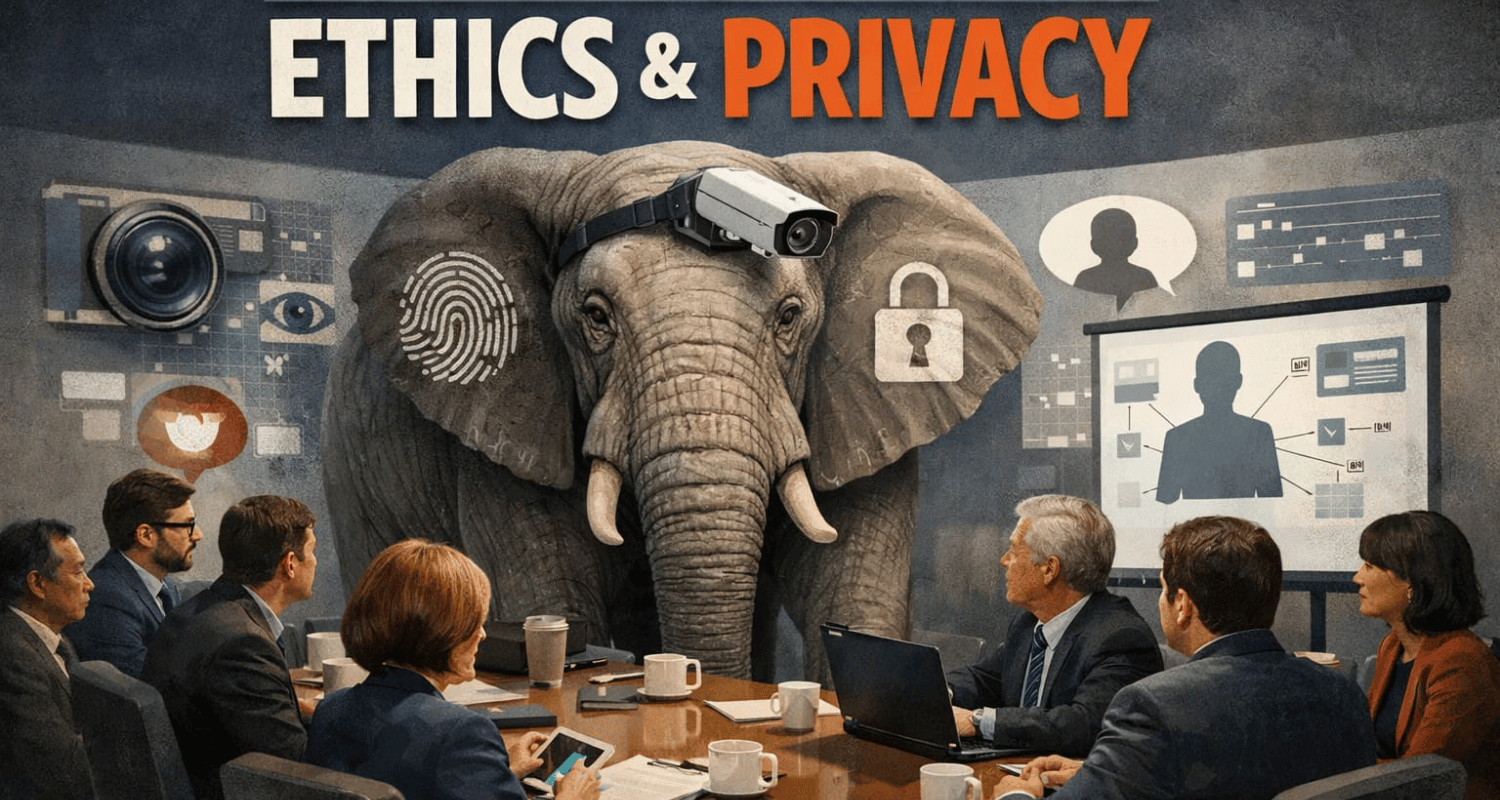
addressing the elephant in the room: ethics and privacy
When we talk about the future, you cannot ignore vulnerabilities of privacy with AI applied to healthcare data. Case in point: When you pose the question, “What are the privacy risks posed by AI on healthcare data?, and the response typically boils down to data breaches or misuse of personal information.
The counter-argument is how AI algorithm enhances the patient data security in healthcare. AI can sense an intruder faster than any human. It is essential, nevertheless, that ethical guidelines for the use of AI in clinical practice are rigorously enforced. We need to find out who or what is at fault if a machine intelligence gets a diagnosis wrong. That’s why, at AI healthcare conferences, today the focus is squarely on issues of regulation and a subject with drier appeal safety.
Conclusion: The Best of Both Worlds
In the years to come, AI and doctors’ roles are of synergy. The data, the patterns, the scheduling and the paperwork will all be up to AI. The empathy, the difficult judgment calls and the human connection will be guarded by doctors.
Whether you want in on the the ground floor of a healthcare SEO agency to promote your brand-new practice or you’re a knowledge-seeking student looking for training programs for healthcare professionals, one thing is clear: flexibility is key.
The doctor of the future will not merely carry a stethoscope, but instead deploy a suite of AI platforms for hospital operations and use tools powered by AI to detect diseases early. This doesn’t dehumanize medicine it enables the doctor to be more human, to type less and heal more.





Add comment