
Vibration plates have become a hot topic in the tech world. Search any influencer feed focused on fitness, recovery, or overall health, and you’ll usually find a standout on every platform, claiming to build stronger muscles, improve balance, and even effortlessly burn fat. These compact machines, also known as whole-body vibration (WBV) devices, promise to do a lot with minimal effort just stand, hold a pose, or do a light exercise while the plate vibrates beneath you.
First, what are vibration plates?
Vibration plates are fitness tools that deliver rapid oscillations (typically 20-50 times per second) through your body. The idea is simple: The vibrations force your muscles to contract and relax dozens of times per second to keep you stable. This involuntary muscle activity is what proponents say enhances exercise. You can use them for everything from basic standing to squats, planks, or even gentle stretches. They’ve been around for decades in physical therapy and elite sports settings, but they’ve only recently become mainstream thanks to home models and glowing reviews online.
Often touting benefits like:
– Rapid weight loss and fat loss
– Increased muscle strength and tone
– Improved bone density
– Improved circulation and lymphatic drainage
– Reduced muscle soreness and back pain
– Improved balance, flexibility, and even lower stress levels
Many people swear by a 10-15 minute session a few times a week as a game-changer for busy people who want results without hours in the gym. It almost sounds too good to be true and in some ways, it is.
What the Experts Really Say: The Science-Backed Truth
Fitness and medical experts agree that vibration plates aren’t useless, but they’re not miracle cures either. Here’s the bottom line, based on current research and expert reviews:
Promising benefits (with a few “buts”)
Muscle strength and tone: Some studies show that full-body vibration can help build muscle, especially when you combine it with real exercises like squats or lunges. The rapid contractions engage more muscle fibers than standing on solid ground. WebMD and the Mayo Clinic note modest gains in strength, especially for beginners or older adults.
Weight loss support: When paired with a calorie-controlled diet, vibration plates can help with fat loss and weight management. A 2019 review found that participants lost a few more pounds than those who didn’t use them but the effect was small and not a stand-alone solution.
Bone health and balance: Low-intensity vibration has shown the ability to support bone mineral density in postmenopausal women or certain patient groups (such as those undergoing cancer treatment). It may also improve balance and reduce the risk of falls in older adults. Some reviews, including those from MD Anderson Cancer Center and the NIH, highlight its use for targeted, supervised use.
Recovery and circulation: Many experts, including physical therapists, cite improved blood flow and reduced post-workout soreness as real benefits. It can feel relaxing and help with lymphatic drainage, which is why athletes sometimes use it for recovery.
Reality check from top experts:
Consumer Reports, the Mayo Clinic, and leading researchers like UCLA and UC Davis emphasize that comprehensive, long-term studies are still limited. Whole-body vibration doesn’t replace traditional exercise like walking, swimming, or weight training. The benefits are often mild and work best as a supplement not a shortcut. Dr. Nancy E. Lane, a rheumatologist specializing in bone health, notes that while some small trials have shown modest improvements, they often aren’t clinically meaningful on their own.
In short: Vibration plates can add variety and extra stimulation to your routine, especially if you have limited mobility or want something low-impact. But the dramatic claims about curing back pain, melting fat, or dramatically increasing bone density? They’re usually driven by marketing, not backed by solid science.
What are the risks? Who should be wary?
Experts stress safety first. Side effects can include temporary dizziness, joint strain, or headaches if you overuse them or stand incorrectly. People with certain conditions such as severe osteoporosis, recent injuries, joint replacements, pregnancy, or inner ear problems should check with a doctor first. Higher intensity settings can aggravate neuropathy or other problems.
Start slow: 5-10 minutes at a low frequency, focusing on proper form,
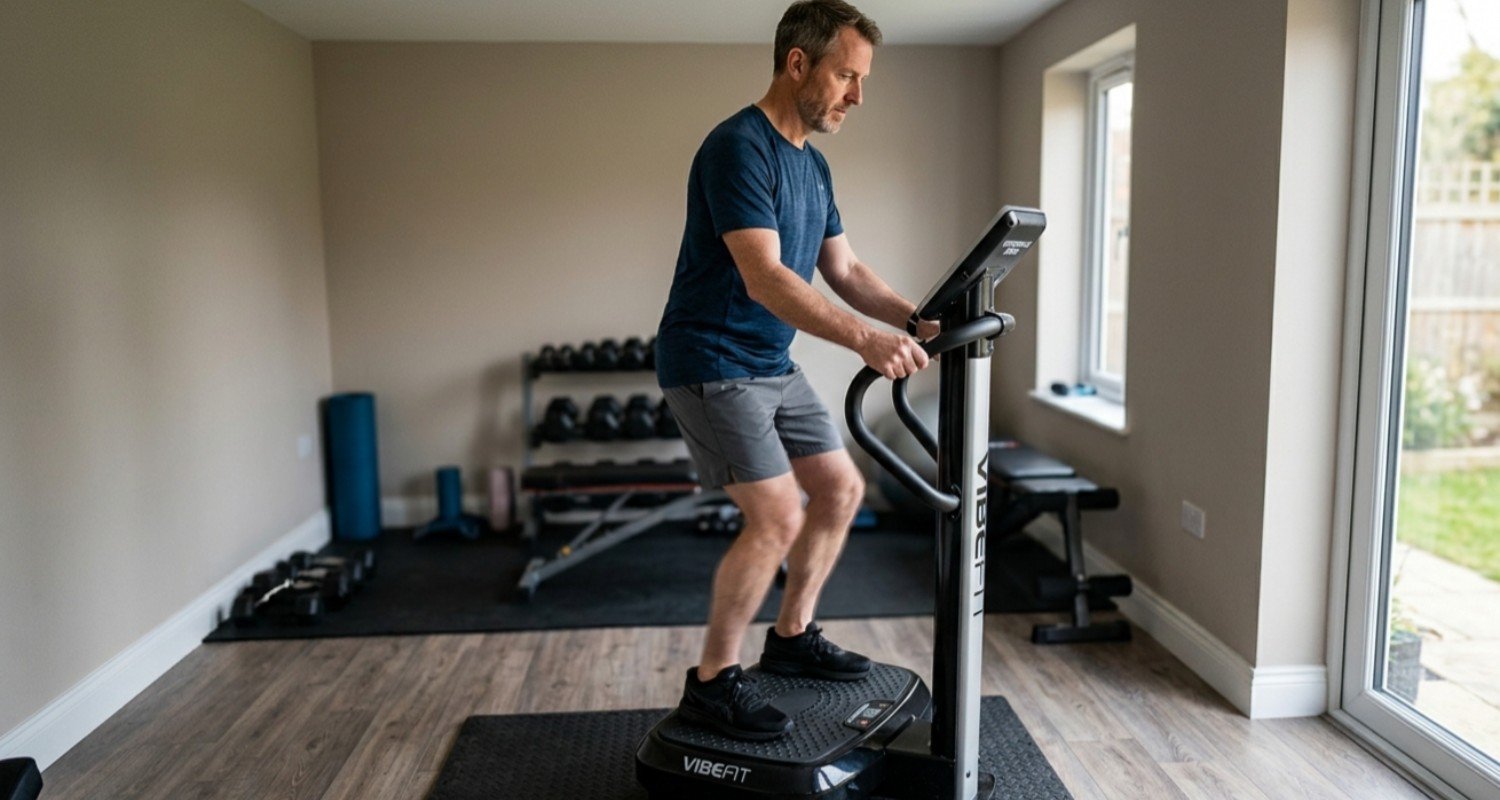
Vibration Plates: What do fitness experts
Discover what fitness experts really say about vibration plates for weight loss, muscle toning & recovery
Check Price on Amazon

Add comment