
No products in the cart.
Alibaba Powering E-Commerce Smart Systems with AI
When you think of Alibaba today most people picture a global e‑commerce giant. Whats less obvious is how deeply artificial intelligence is now embedded across its entire ecosystem. From personalized shopping to smart logistics and cloud services, AI isn’t just a feature at Alibaba its a core part of how the business operates and competes.
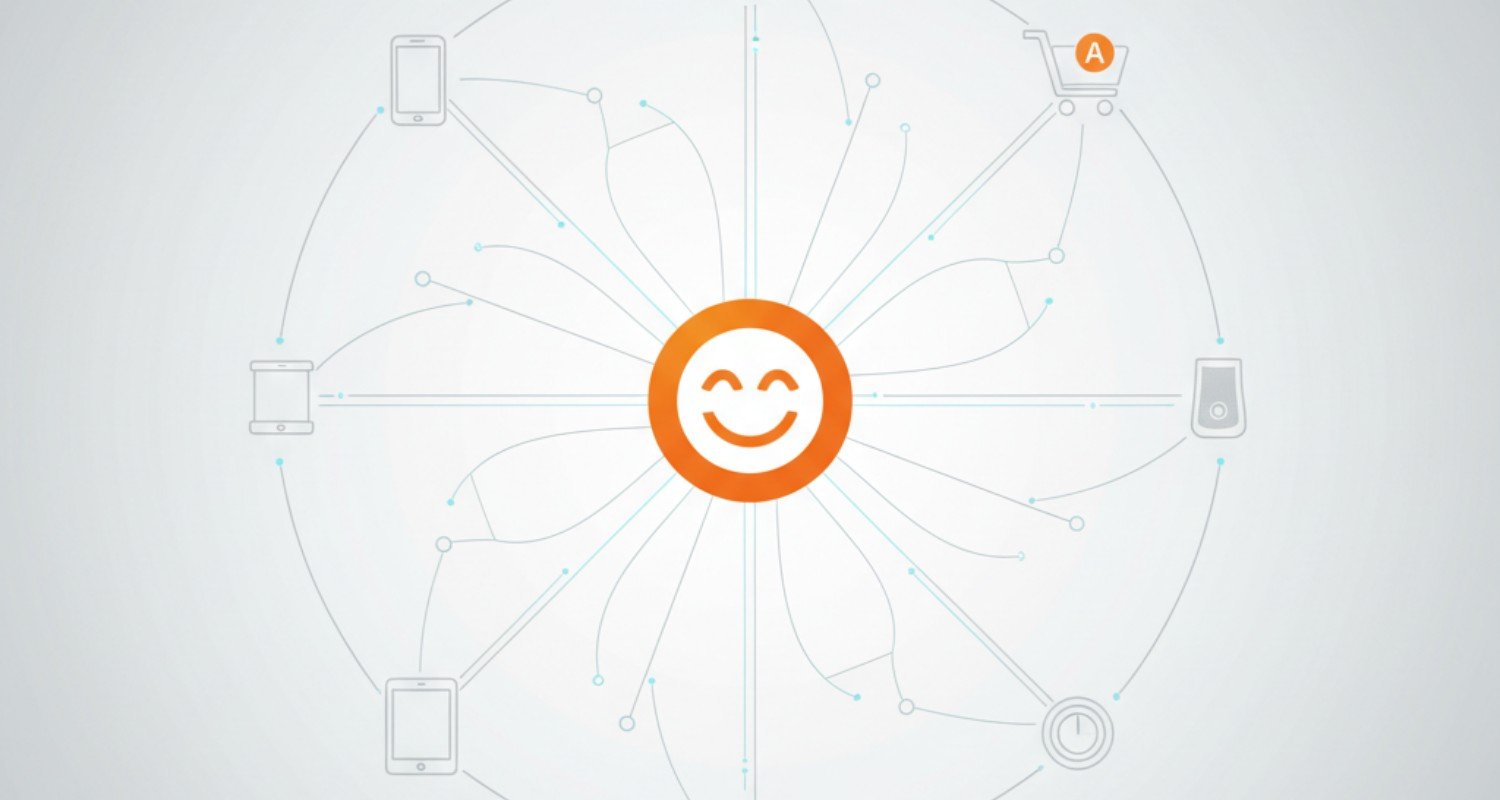
At the heart of Alibaba’s strategy is AI‑powered personalization. Using machine learning models the company analyzes customer behavior in real time to deliver product recommendations tailored to individual preferences. This means when you browse or buy something, Alibaba’s system learns from those interactions and continually refines what it shows you. This level of personalization not only improves the user experience but drives significantly higher conversion rates.
Supporting this personalization is Alibaba’s AI Cloud which has become a central pillar of the companys offerings beyond its own shopping platforms. With tools like Alibaba Cloud AI and OpenClaw the company provides scalable AI services to enterprises around the world including image recognition natural language processing and predictive analytics. These technologies are now transforming industries from finance to healthcare.
One of the most visible signs of Alibaba’s AI push is RynnBrain, a platform for real‑world robotics. Designed to enable flexible intelligent automation in warehouses and factories RynnBrain showcases Alibaba’s commitment to combining AI software with physical systems. This fits into what some call Alibaba physical AI, where digital intelligence meets realworld applications helping organizations improve efficiency at scale.
This AI integration extends into logistics as well through Cainiao Alibaba’s logistics arm. With AI route optimization and warehouse management tools, Cainiao shortens delivery times and reduces costs a key competitive advantage in markets where speed matters. Smart logistics powered by AI also plays into Alibaba’s ecofriendly goals enabling more efficient transport and reducing energy waste a step toward more ecofriendly AI data centers and operations.
Alibaba doesn’t just use AI for efficiency. It also applies it to safety and trust. Fraud detection and security systems scan millions of transactions daily, identifying suspicious activity long before it affects users. These systems use advanced pattern recognition to protect buyers and sellers alike.
For customer engagement, Alibaba deploys intelligent chatbots like Ali Me which leverage natural language processing to handle huge volumes of queries across marketplaces. These bots improve responsiveness while freeing up human support for more complex issues.
Beyond commerce and logistics, Alibaba has also explored broad applications of AI. Projects like City Brain Alibaba use data and AI to help cities improve traffic flow and public services. This initiative, launched in parts of China including Shanghai, demonstrates how Alibaba’s AI technologies can support smarter urban management at scale.
With all this investment in AI theres been speculation about whether we’re in an AI bubble.But leaders within the company including statements from Alibaba Group leadership, have pushed back on that narrative. Instead of chasing hype they emphasize AI’s practical value in solving everyday business challenges and advancing real innovation.
Some rumors have cropped up about Alibaba hardware like airpods style devices or consumer electronics. While shopping from Alibaba and similar marketplaces, buyers should always check details like warranty and import rules, especially around taxes for example beli barang Alibaba kena cukai buying goods from Alibaba liable for tax is a real consideration for international customers.
There have also been controversial headlines, such as when the US briefly named Alibaba, Baidu as firms aiding China’s military. These reports underscore the geopolitical complexity when large tech companies operate globally especially in areas involving advanced technology like AI.
Internally the success of Alibaba has often been tied to its culture and people. Founder Jack Ma has been noted for praising group success and acknowledging the contributions of its workforce. Stories about Jack Ma praising its employees success highlight how leadership has historically framed Alibaba’s growth as a collective achievement.
Looking ahead, one question people often ask is whether Alibaba plans to develop its own AI chips. While Alibaba’s cloud business already uses custom hardware for performance, developing proprietary AI chips could further strengthen its infrastructure and reduce reliance on external suppliers.
Another point of curiosity is Alibaba’s support for AI agents, autonomous software that can perform tasks or interact with users directly. These agents are part of the broader shift toward more capable context aware AI tools that can handle complex workflows.
Lastly concerns sometimes arise from buyers wondering if purchases from Alibaba contain ST or additional charges. It’s always wise to check seller ratings and product documentation to ensure clear expectations and compliance with local standards.
In summary, Alibaba’s AI journey blends innovation with practical applications across commerce, cloud, robotics, and city systems. While the company faces external scrutiny and rapidly evolving markets, its investment in AI technologies continues to shape how businesses and consumers interact in the digital age

Related posts

Recent Bournemouth University survey of 32 countries highlights how widely the use of artificial intelligence has spread and how different societies view its benefits and... Continue reading

You can use this example with a blank page and some simple lines in it. Let’s look at what makes this model special, why many... Continue reading

Today, were entering a new phase where systems can act, decide and solve problems with very little human guidance. These systems are known as AI... Continue reading

Apple introduces new features that may prevent users from stealing from consumers’ phones. Look, this guide is intended for all iPhone users, only iPhone Users.... Continue reading
This is the best place to find a massage gun if you’re looking for any type of relaxation. Especially on days when someone’s body needs... Continue reading
Add comment