
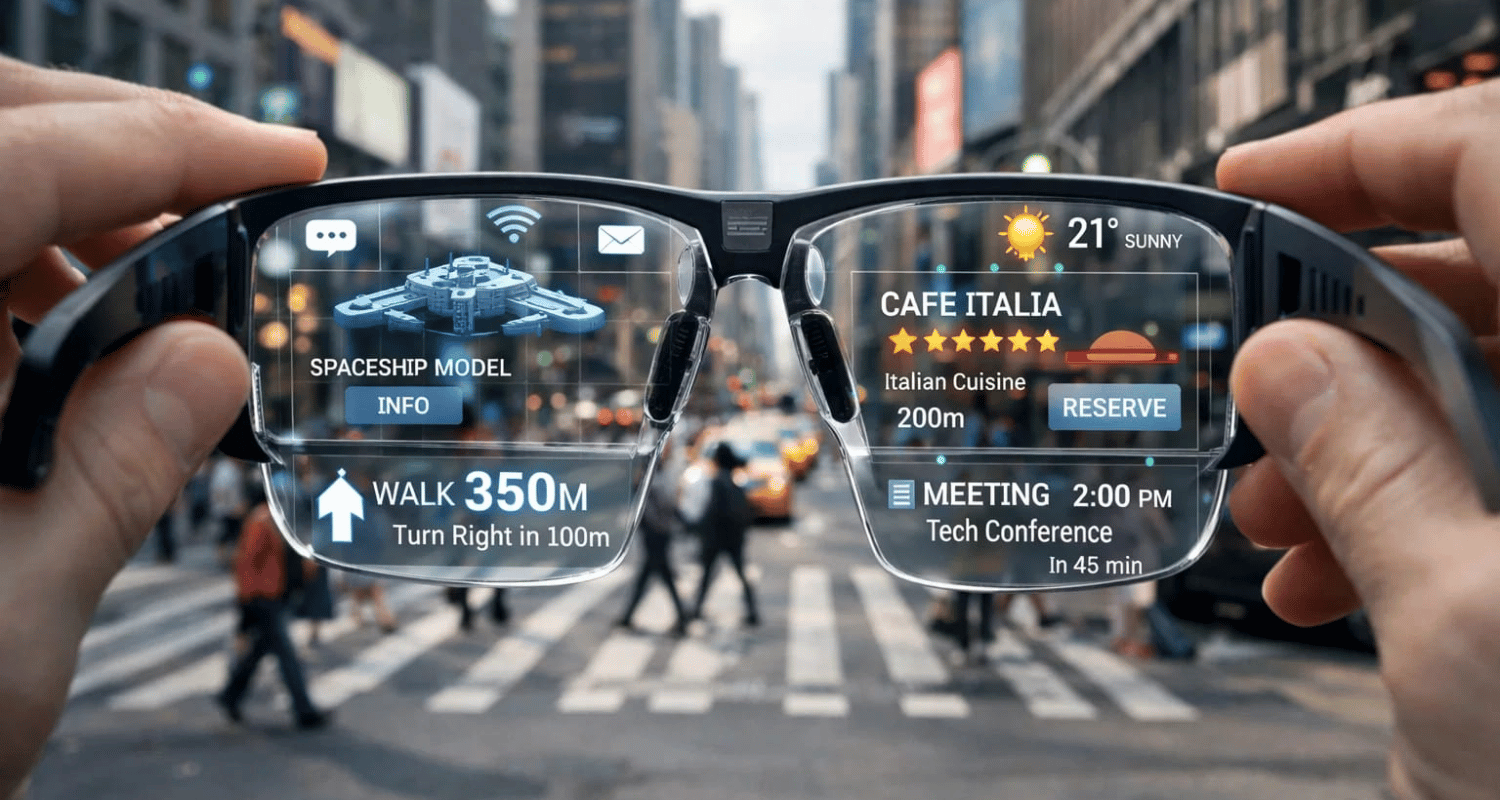
Just think about finding your way through a new town with directions popping up in front of you as you look at the places around. Imagine a surgeon being able to display a patient’s vital signs onto their field of view while performing an intricate operation. It’s not science fiction, but reality being constructed today with AR glasses. The devices promise to be transformative in how we interact with the world, blending our digital and physical realities into a single reality. So welcome to the new age of smart vision.
Technology sat on our desktops and resided in our pockets for decades. With AR glasses, it travels to our face next, giving us a hands-free layer of context-aware information. The shift away from handheld screens to wearable interfaces is a huge leap forward and it’s set to change everything, including the way we go about our lives as well as how we do our most specialized jobs.
What Are Smart Glasses, Really?
At its heart, a smart glasses is just a computer that you wear on your face. But why are smart glasses such a game changer? Instead of traditional prescription spectacles, these smart glasses embed technology right in your field of vision. This could be anything from basic alerts to more complex 3D holographic images that are interactive.
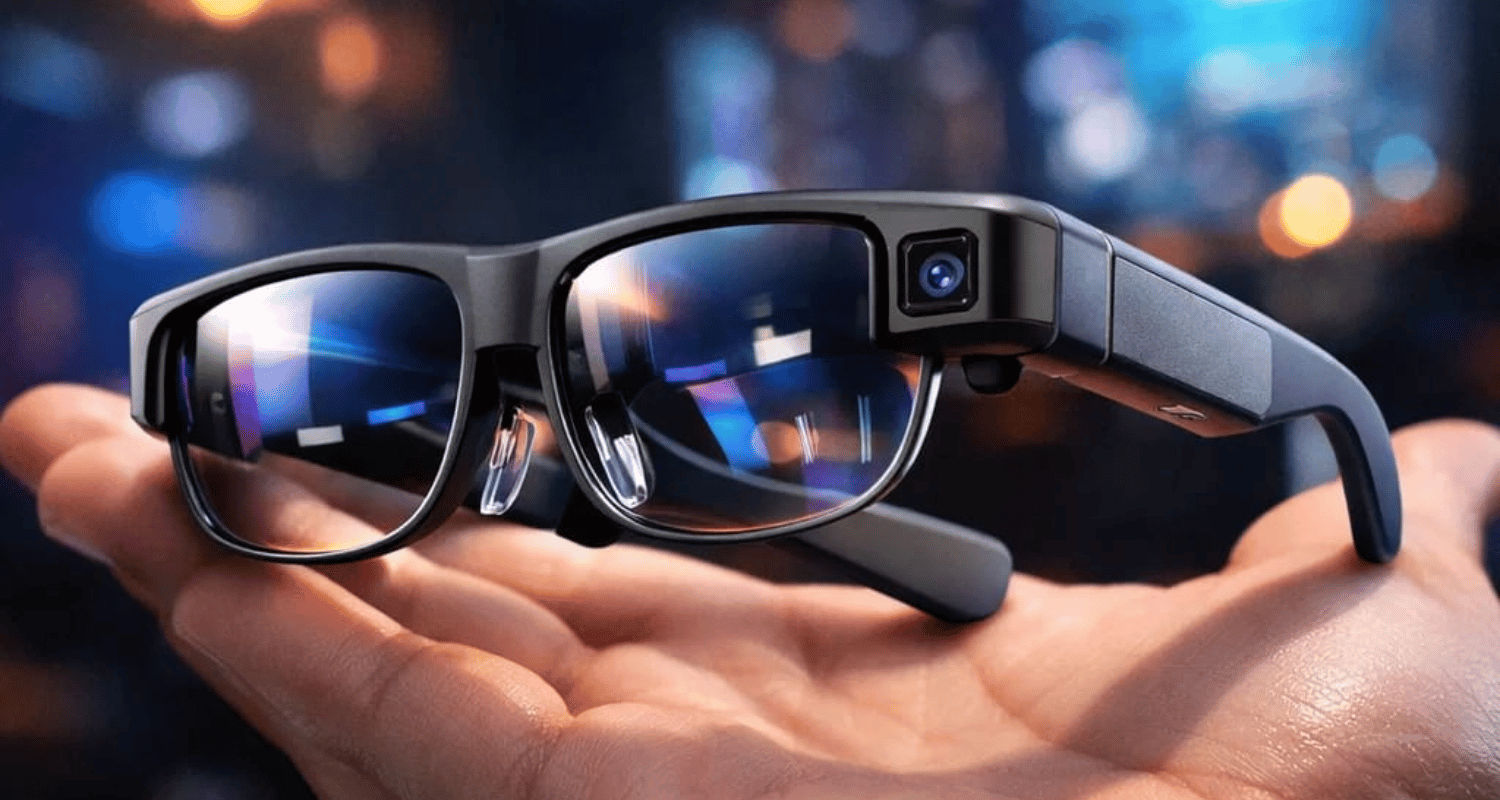
This is made possible by a wearable display, typically a small projector or transparent screen that presents information without obscuring your view of the world as it exists. Consider it a heads up display (HUD) glasses system, kind of like the type used by fighter pilots for your everyday life. These see-through spectacles contain processors, cameras, speakers and microphones in an ultralight form factor.
For most people, this concept was introduced with the release of Google Glass. The original public release had its growing pains, but it captured the global imagination and paved the way for the far more advanced devices we have now. There is a constant theme here: to show you the information, when you need it, where you need it.
The Journey from Sci-Fi to Best Buy
Layering digital information over the physical world has been a staple of futuristic movies for decades. But it’s been a long, complicated road to bring these futuristic glasses to life.
The Pioneers: Google Glass and Early Efforts
Google’s smart glasses technology was a peek into a connected future. “What do google glasses do?” folk mused. and “how much is google glasses?” The device could capture pictures, send messages and provide directions, all through voice commands and a minuscule touchpad. While you can no longer readily purchase the original Google Glass, its enterprise editions are still in use in manufacturing and logistics.
Other early players like Vuzix also saw stride. While AR and other Vuzix smart glasses gave us a glimpse at what Armstrong calls “the ubiquity-factor” of its technology a pair of sunglasses-like smart glasses showing the ease with which it could crossover into both consumer and enterprise. Early versions, such as the many ar glasses 2017 and ar glasses 2018 models, played a necessary role in shaping the technology.
The Evolution of Augmented Reality Technology
At their heart are components for augmented reality, of course. But what is augmented reality? It’s a technology that overlays computer-generated images, sounds and information on the user’s real-world view. This results in an augmented reality-like composite view.
To appreciate it more, we can discuss about augmented reality vs virtual reality.
Virtual Reality (VR):
With VR technology, you’re taken completely out of the real world and into a digital one. When you strap on a VR headset, you’re transported to a computer-generated world that’s been created from scratch and you can’t see the real one around you.
Augmented Reality (AR)
AR, in contrast, augments the environment around you. AR devices, such as smart glasses, add to what you’re already seeing, rather than replacing it.
Chances are you’ve already used AR without realising. Some of the most popular examples are of augmented reality apps on your smartphone, including Pokémon GO and IKEA Place app (where you can see furniture in your room). AR glasses pushes this concept and makes it hands-free and a lot more intuitive.
How Do AR Glasses Work?
The technology in smart glasses is an engineering marvel. So, how do ar glasses work? Though designs differ, most AR headsets contain a few common elements:
Display System:
This is the least important factor. It displays light and imagery on a clear lens or, straight into the user’s eye. The vision is of a crisp, clear image floating in the real world just like when you snap photos and slide them across the table at brunch. A lot of modern glasses are able to accommodate waveguide technology, which funnels light across the lens and toward your eye.
Sensors and Cameras:
AR headsets are loaded with them. An external camera lets an attached software system see outside itself. Other sensors, such as accelerometers and gyroscopes, monitor movements of your head so the digital overlays remain snapped in place as you look around. Some people will even seek a pair of glasses with camera capabilities, which are occasionally referred to as camera glasses or recording glasses, in order to film life from their point of view.
Processor and Connectivity:
Like a smartphone, AR glasses were designed with brains. Both the data captured by sensors and the digital content is processed by a CPU and GPU. Wi-Fi and Bluetooth Connections to the internet, other devices (like your phone).
Input Methods:
You have to control the glasses somehow. That might be voice commands, a small touchpad on the frame, crystallinterpretation via camera-tracked hand gestures or even if you pair them with your phone or a dedicated controller.
Together, they combine to produce a single augmented reality experience that feels like it’s part of the world around you.
The Smart Glasses of Today and Tomorrow
Smart Glasses Price market is booming. From high-end enterprise devices to more consumer-friendly models, there are more choices than ever. The price of ar glasses can range widely, from a few hundred dollars for more basic models to thousands of dollars for advanced enterprise headsets. You can get inexpensive smart glasses with basic features, like audio, or notifications; meanwhile premium ones from companies like Microsoft (HoloLens) and Magic Leap promise highly immersive holographic experiences.
Key Players in the Market
Google:
After dabbling, Google has been concentrating on the enterprise market but is a major player. A new pair of Google AR glasses will bring real-time translation and a host of other advanced features to consumers. How much does smart glass cost Have been heating up over the years and the question of “how much do smart glass cost” from a company like Google continues to be on everyone’s lips.
Apple:
The tech industry is abuzz over Apple’s possible smart glasses. With its gorgeous design and user-friendly ecosystems, an AR glasses Apple device could be the product that makes AR more mainstream like the iPhone did with smartphones.
Meta (Facebook):
Meta introduced Ray-Ban Stories, in collaboration with Ray-Ban, essentially sunglasses smart glasses with built-in cameras and speakers. They are not true AR glasses, but they point in that direction, and they make the idea of wearing technology on your face feel normal.
Vuzix and Others:
Companies such as Vuzix, Nreal and Snap keep pushing out new AR glasses to see what is possible in a lightweight package.
The best smart glasses for you will depend on your needs. Do you want plain bluetooth prescription glasses that can pipe in some tunes, or a full-blown AR headset for industrial design work? Again, with developments in technology this will only become more blurred. If you’re shopping online, you could search for “best buys” on digital glasses or head to big-box retailers like Best Buy for the most recent versions.
Practical Applications: More Than Just a Gimmick
So, what can you actually do with a pair of AR glasses? The applications are vast and extend far beyond simple notifications.
For the Professional
AR headsets are already transforming industries in the workplace.
Healthcare:
During an operation, surgeons can overlay MRI scans or patient data. Paramedics can be given remote instructions from specialists at a hospital.
Manufacturing:
Assembly line workers see step-by-step instructions overlaid on the equipment they are building, leading to fewer errors and a shorter learning curve.
Logistics:
Warehouse pickers can have the most efficient route and location for item to be picked shown directly in their line of vision.
For the Consumer
Meanwhile, for Average Joes and Jolenes out there, the potential is equally thrilling.
Navigation:
Receive directions visible as arrows on the street ahead of you.
Communicating:
Make a video call in which the other person projects from holographic projector into your room like real-time 3D.
Gaming:
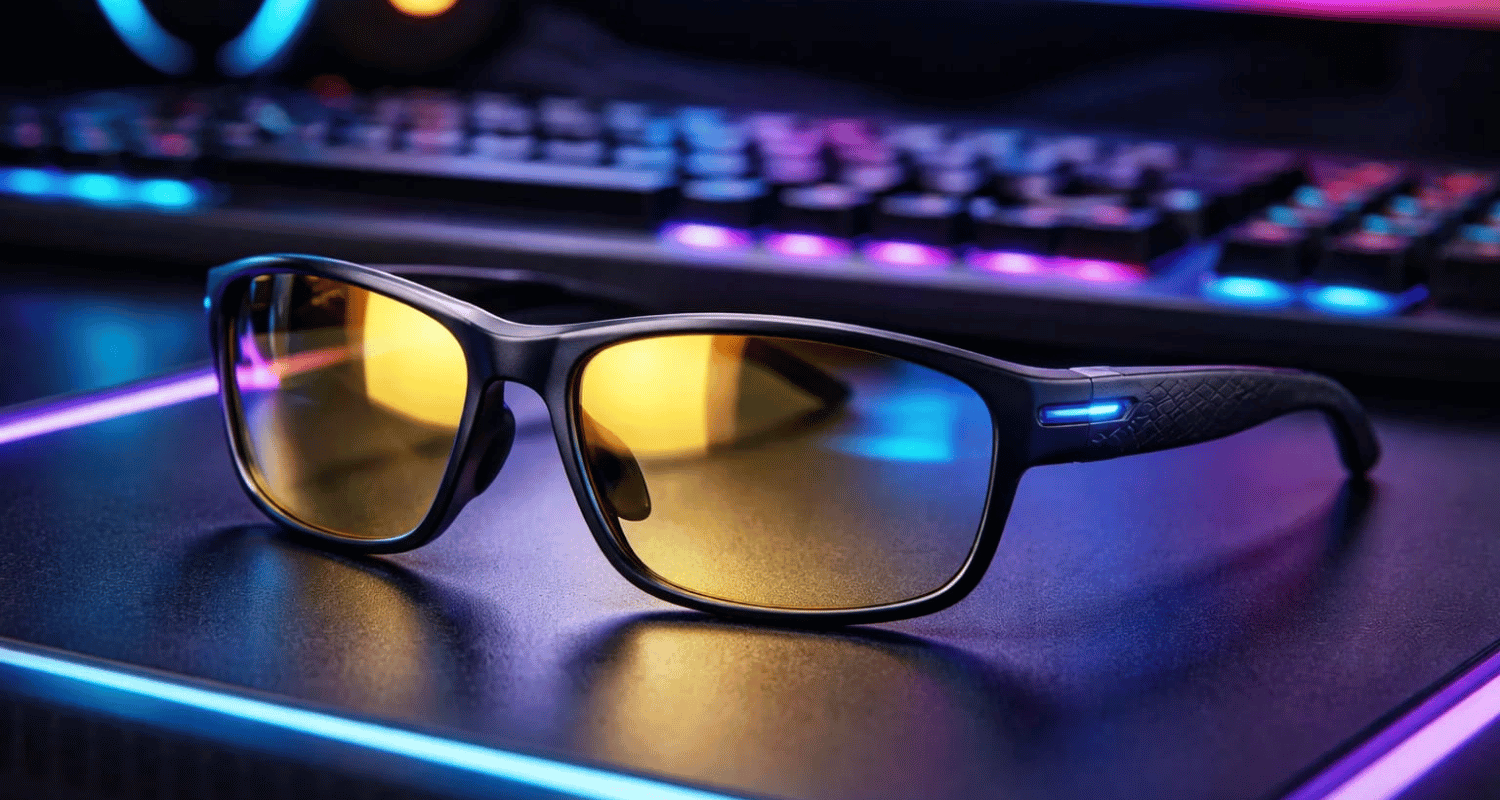
Gaming glasses might make the world your playground. Picture playing strategy games on your coffee table or action games in which the enemies burst through your backyard fence. Those are different from mere gamer glasses, which only cut down on eye strain.
Entertainment:You can watch the movie on the virtual screen way of a private cinema. It was thought that these “movie glasses” would feature an experience well beyond today’s 3D glasses.
Addressing the Challenges
But while the potential is tremendous, a few obstacles stand in their way before smart eyeglasses become as ubiquitous as smartphones.
Social Acceptance:
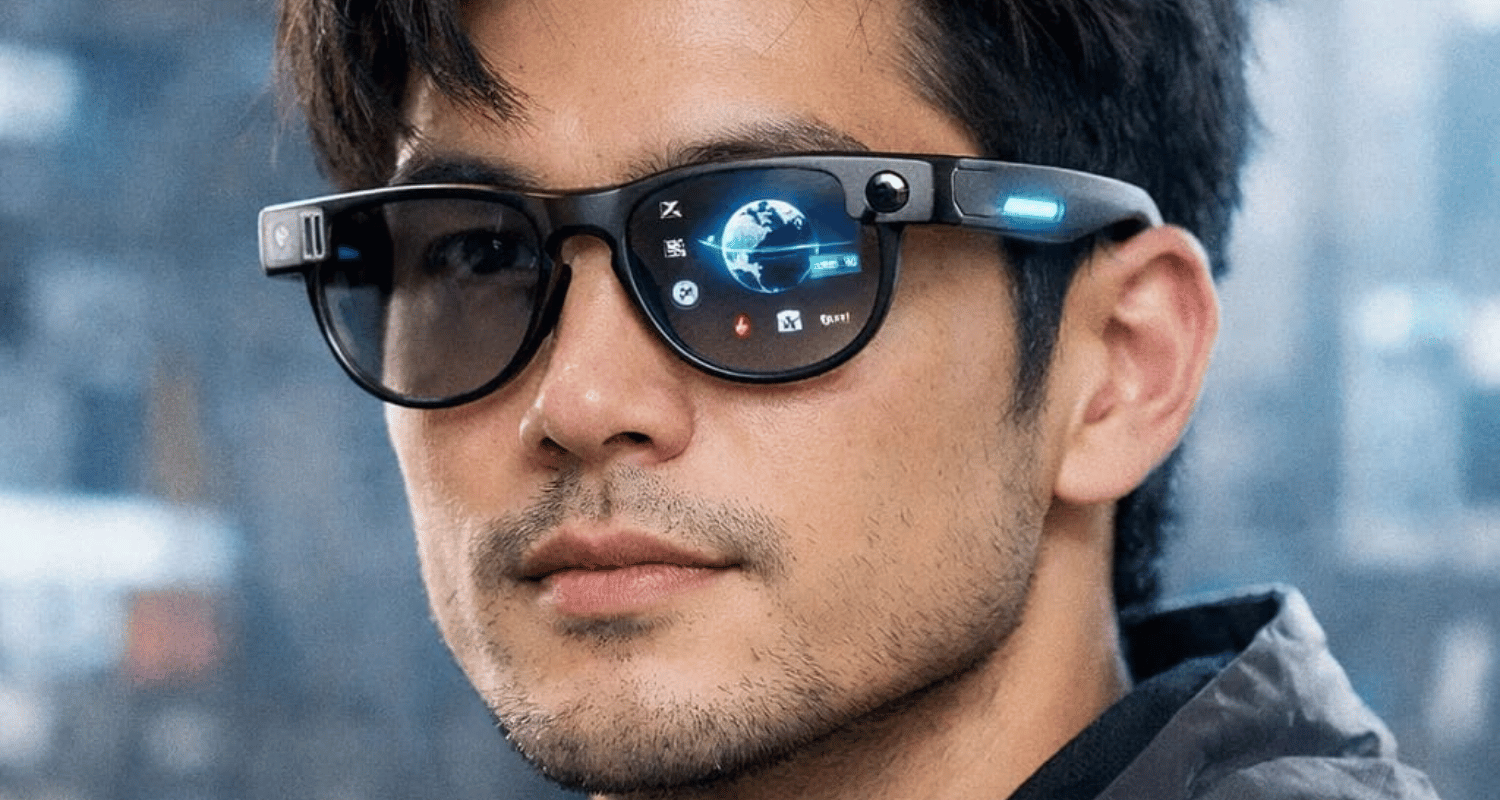
The “Glasshole” stigma surrounding the original Google Glass served to emphasize how not-okay wearing a face-computer makes people feel. Design is crucial; you do not want these devices looking like tech gadgets, they should look like regular glasses.
Battery Life:
Fitting a battery that powers a display, processor, and numerous sensors within an incredibly small form factor is no easy task. A battery life that lasts all day is vital if the devices are to go mass market.
Cost:
The price of augmented reality glasses remains too high for most consumers. Costs should decrease as manufacturing scales and technology matures.
Privacy:
Glasses that record video and audio present major privacy issues for both the wearer and those nearby. It needs clear ethical guidelines and transparent operating indicators (recording light on).
Are there such things as X-Ray glasses?” infact some people have even joked about asking! While that idea may be firmly in the realm of fiction, this raises some very serious questions about privacy that we need to debate with regard to actual camera glasses.
Looking Ahead: A Future Seen Through Smart Lenses
AR glasses are not just about making a new gadget. This is about creating the next major computing platform. Similarly to the way the PC defined the 1990s, and the smartphone defined the 2010s, AR displays you wear over your eyes could define that actual cyberpunk future we were promised for this not-too-distantfuture(starting in year 2033-4).
There will most probably be a merging of function and fashion in the future. We will wear prescription smart glasses that fix our vision as well as layer on digital information. Companies are trying to make the technology so small that it can be embedded in any frame whether a high-end designer set or an affordable one from the likes of America’s Best Eyeglasses. You might even find another pair at a nearby optical stores near me that carries smart technology too.
Introducing AI will only make these machines more capable. So your smart glasses will not really be about presenting you with information, they’ll also understand the context around you and give you what you want before even asking. This is the promise of smart vision a world in which our technology enhances our human capacities rather than getting in the way. The trip has barely begun, and the vista seems brighter than ever.







Add comment