
No products in the cart.
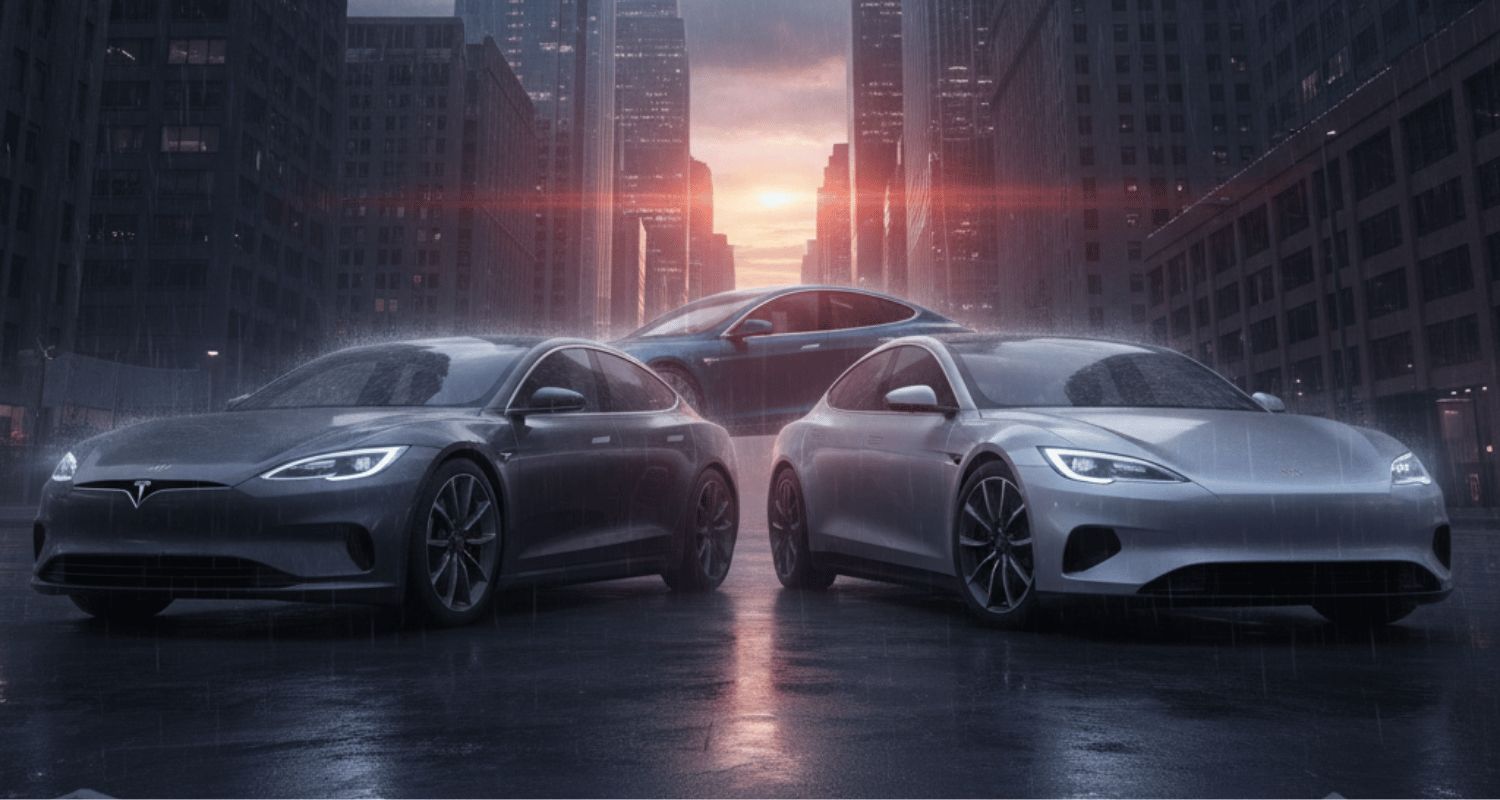
Detroit’s EV Nightmare: Facing Chinese Giants & $50B Losses
American auto giants, once the undisputed kings of the global road, now stand at a perilous crossroads in the electric vehicle (EV) era. Ford, General Motors, and Stellantis are grappling with massive losses, slowing demand, regulatory chaos, and the relentless rise of Chinese competitors. This isn’t just a shift in technology it’s an existential threat that could reshape or even dismantle the American auto industry as we know it.
China’s EVs Crushing American Giants
The biggest shadow looming over Detroit is China. Companies like BYD, Xiaomi, and NIO are churning out affordable, tech-packed EVs that dominate markets worldwide. In Europe, Chinese brands now command market share rivaling Mercedes-Benz. Ford CEO Jim Farley has warned bluntly: if American companies lose this battle to China, Ford’s future is in jeopardy. Chinese EVs undercut prices dramatically, threatening not just electric models but traditional gas vehicles too. For now, stiff U.S. tariffs and restrictions block direct imports, but if those barriers weaken, the flood could devastate domestic players. Ford has already imported a Xiaomi SU7 for testing, and executives admit the tech gap is humbling.
U.S. EV Demand Crashes, Billions Written Off
Demand for EVs in the U.S. has stalled far below expectations. While global EV sales surge, American growth has been flat or minimal in recent years. The Trump administration’s repeal of the $7,500 federal tax credit has driven prices higher, pushing buyers back toward hybrids or gas-powered trucks and SUVs. Ford announced a staggering $19.5 billion write-down on EV assets, GM took a $6 billion hit, and Stellantis absorbed a massive $26 billion charge as they rethink strategies. Production plans for models like the F-150 Lightning have been slashed or delayed, with billions in investments now seen as overambitious bets gone wrong.
Regulatory Chaos: Tax Credits Gone, Rules Reversed
Regulatory whiplash adds fuel to the fire. California’s lawsuit against federal efforts to revoke its stricter emissions waiver creates a nightmare scenario: automakers could face conflicting rules one set pushing EVs, another easing them. The loss of tax credits, removal of fuel-efficiency penalties, and broader policy reversals leave companies whipsawed, unable to plan long-term. One executive called it “short-termism killing us,” as political swings make massive EV commitments risky.
Gas Trucks vs. EVs: Detroit’s Survival Dilemma
This era forces tough choices. Push harder into EVs to compete with China’s innovation and scale, or double down on profitable gas trucks and risk falling behind globally? Retreat too far, and American firms could become niche players in pickups and SUVs, while the future of mobility electric, autonomous, software-driven belongs elsewhere. Billions in write-downs signal the “EV bubble” bursting, yet abandoning the transition entirely could prove even more hazardous as the world accelerates.
The Stakes: Jobs, Dominance, National Security
The stakes are enormous: millions of jobs, industrial dominance, and national security hang in the balance. If Detroit can’t adapt swiftly perhaps by partnering, innovating cheaper models, or leveraging U.S. strengths the Chinese wave might sweep them aside. This dangerous EV era is no longer a distant horizon; it’s here, testing whether American automakers can survive the storm or become relics of the past.

Related posts

Google’s AI-Powered Water Cooling Companies like Google have invested heavily in new data center cooling technologies. Combining water-cooled data center designs with machine learning algorithms... Continue reading

How AI Is Changing Valuation Multiples This growth. In addition, there is a risk that AI could quickly close gaps, squeeze margins, or make entire... Continue reading

Amazon’s Zoox expands robotaxi testing to Phoenix and Dallas, accelerating autonomous car race Amazon’s autonomous car subsidiary Zoox has announced a major expansion of its... Continue reading
Alef Model A: World's first road-legal flying car hits production. Drive 200mi or fly 110mi at 110mph Continue reading

Qualcomm and UK-based startup waive have formed a new partnership to create an integrated AI self‑driving platform that automakers can drop into many different car... Continue reading
Add comment