
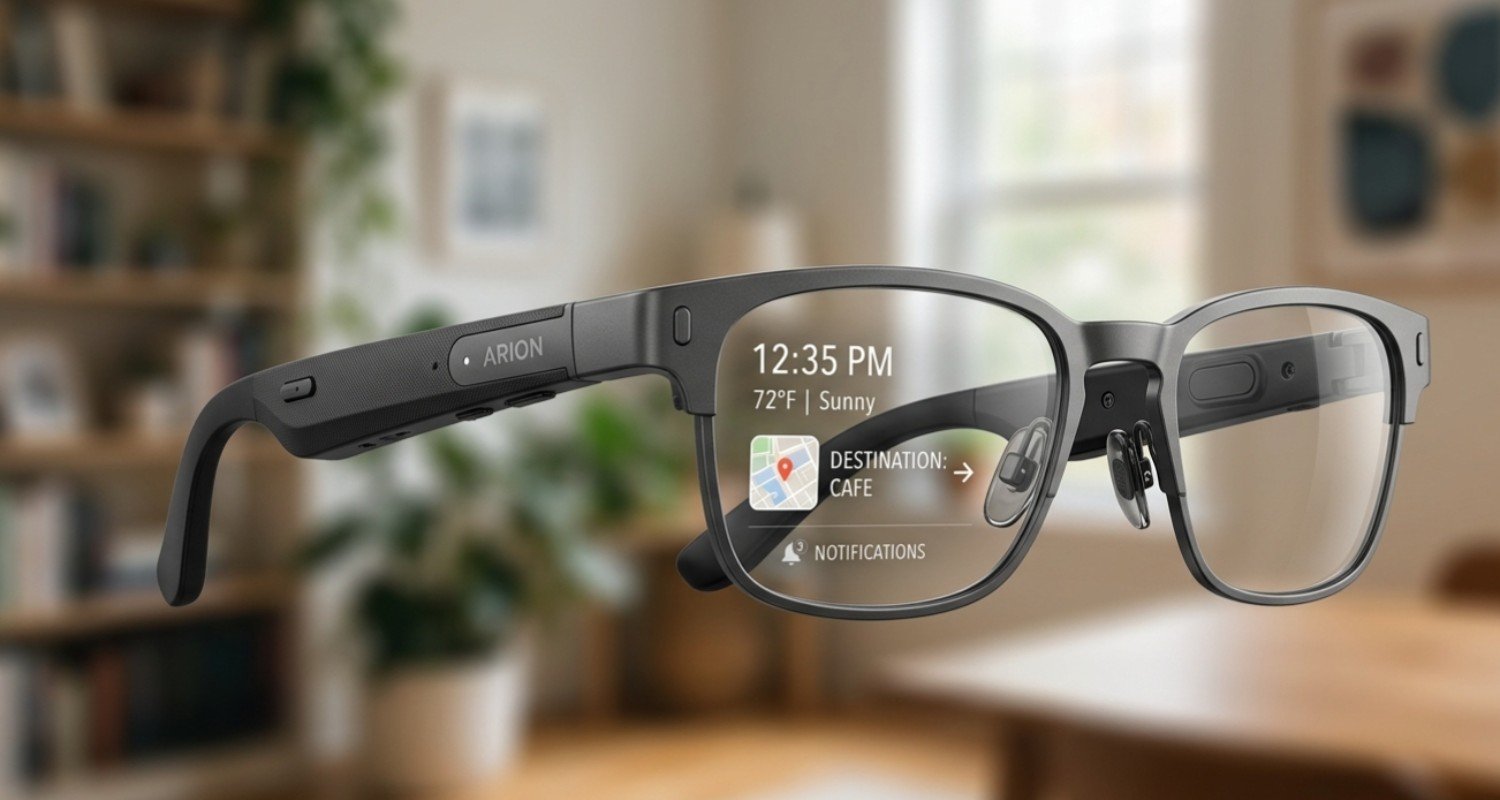
There was a time when smart glasses were such a weird piece of tech that no one in public would want to wear them? Those days are gone. In 2026, smart glasses have stopped being a punchline and have started becoming something people want on their faces. From AI-powered prescription lenses to giant virtual screens floating in mid-air, the eyewear industry is currently undergoing the most dramatic transformation since glasses were invented.
Here’s what’s happening, who’s moving, and why this year feels genuinely different.
Samsung has finally entered the tech fray.
The biggest news of early 2026 came straight from Mobile World Congress in Barcelona. Samsung has confirmed that its upcoming AI smart glasses will have a camera and will connect to a smartphone, with the device set to launch this year the company’s first foray into the smart glasses category. (CNBC) Instead of cramming all the processing power into the frames, Samsung is taking a smart approach: The glasses will rely on a connected smartphone to handle images and AI tasks, keeping the hardware light and design practical.
It’s a strategy that works. By offloading the heavy computing to your phone, Samsung avoids the overheating, bulkiness, and short battery life that have plagued previous smart glasses efforts. It’s not a limitation it’s a design philosophy.
Google and Warby Parker: When Fashion Meets AI.
One of the most exciting collaborations of 2026 is happening between an optician and a tech giant. Warby Parker and Google have partnered to bring AI-powered smart glasses to market in 2026, specifically targeting consumers who need prescription lenses along with on-device AI features. (Glass Almanac) Powered by Google’s Gemini AI, these glasses could finally solve the “but I actually need prescription glasses” problem that has kept millions of everyday eyeglass wearers out of the smart eyewear market altogether.
If you’ve always thought smart glasses weren’t for you because you can’t just change your prescription, this partnership is aimed squarely at you.
Meta is still ahead but the competition is catching up.
Meta’s Ray-Ban glasses continue to dominate the smart glasses market, with a global share of about 82%, according to Counterpoint Research. (CNBC) But that dominance is facing a tough challenge this year. Meta is shipping a consumer smart glasses model with an integrated display in September 2025, making it the first purchasable example of AR available in mainstream retail stores.
At CES 2026, Meta showcased new features for its Ray-Ban display, including a teleprompter function and gesture recognition via neural bands, showing how AR devices can transform into intelligent, context-aware tools.
Experts: AR, audio, and camera glasses
The market in 2026 is clearly divided into three distinct categories, each serving a different type of user.
For power users and professionals, the XREAL One Pro leads the way with a wide 57-degree field of view, 3DOF tracking that anchors a virtual screen in space, and a “widescreen mode” capable of creating a virtual 3,840-by-1,920 desktop environment essentially in a setup with your Air Replica.
For gamers, the ROG XREAL glasses generated some of the biggest buzz at CES 2026, pushing the boundaries of display quality, refresh rate, and spatial interaction for immersive gaming experiences. (Brochia)
For those who wear prescription glasses, the VITURE Luma Pro features physical focus dials that correct for -4.0 myopia, eliminating the need for expensive prescription insertion for many wearers.
And for creators and everyday users, the Ray-Ban Meta Gen 2 offers the best of style and social utility, the only pair you can wear to a dinner party without drawing unwanted glances.
Underdog debuts worth watching
Moving away from the big names, the RayNeo Air 4 Pro launched in early 2026 and disrupted the mid-range market by offering HDR10 display support and Bang & Olufsen-tuned audio at a very competitive price. (TechCabal) Many 2026 models now weigh less than 50 grams, with dramatically improved battery life and AI systems running on platforms like Android XR that make them genuinely useful in everyday life. (XROM)
Snap is also moving forward. The company has created a dedicated Specs subsidiary to attract outside investment and recruit talent, hinting at a long-term AR roadmap built around social features and lightweight AR overlays.
What’s driving the shift?
Three forces are coming together in 2026 to make smart glasses feel more real: better AI, better optics, and better design. AI systems, improved waveguide optics, and open developer SDKs are making smart glasses truly functional beyond new use cases. (XROM) Meanwhile, fashion brands are realizing that if the frames don’t look good, there’s no point in any of the technology inside the T.






Add comment